Herbs Regulating Blood Conditions,Herbs Activating Blood and Resolving Stasis
✵TCM herbalism is also known as the pharmaceutics of Traditional Chinese Medicine or Chinese pharmaceutics. It is the branch of health science dealing with the preparation, dispensing, and proper utilization of Chinese herbs. It is primarily composed of Introduction to Chinese Medicinals, Classification of Chinese Herbs, Formulas, and Patent Medicines.
Herbs Regulating Blood Conditions,Herbs Activating Blood and Resolving Stasis.
Introduction: Introduction: Herbs Activating Blood and Resolving Stasis—also known as blood-activating and stasis-resolving herbs—are agents that promote blood circulation and eliminate stagnant blood. They are alternatively termed blood-activating and stasis-dispelling herbs or simply blood-activating herbs and stasis-resolving herbs. Blood-activating herbs are used to treat impaired or static blood flow; stasis-resolving herbs are used specifically for blood stasis. Based on functional differences, these herbs are classified into several categories: (1) blood-activating analgesic herbs, (2) blood-activating and menstruation-regulating herbs, (3) blood-activating and trauma-curing herbs (blood-activating and trauma-healing herbs), and (4) blood-breaking and mass-eliminating herbs (blood-breaking and mass-dissipating herbs).
Blood-activating analgesic herbs promote blood circulation, move Qi, and alleviate pain. They are indicated for painful conditions caused by Qi and blood stagnation. These herbs are typically pungent and dispersing, with actions that invigorate blood, promote Qi circulation, and relieve pain. They are primarily used for pain syndromes arising from Qi stagnation and blood stasis—such as headache, chest and hypochondriac pain, numbness-related pain, traumatic pain, abdominal pain, dysmenorrhea, and postpartum abdominal pain—and may also be employed in other blood-stasis patterns. Representative herbs include Rhizome Chuanxiong (Chuān Xiōnɡ), Rhizoma Corydalis (Yán Hú Suǒ), Radix Curcumae (Yù Jīn), and other herbs include Rhizoma Curcumae Longae (Jiānɡ Huánɡ), Rhizoma Wenyujin concisa (Piàn Jiāng Huáng), Myrrha (Mò Yào), Olibanum (Rǔ Xiānɡ), and Faeces Trogopterorum (Wǔ Línɡ Zhī).
Blood-activating and menstruation-regulating herbs are herbs that activate blood and regulate menstruation to treat menstrual disorders, dysmenorrhea, amenorrhea, and postpartum blood stasis. These herbs promote blood circulation and resolve blood stasis, thereby regulating menstrual flow; they are used for various gynecological syndromes caused by blood stasis obstruction—such as irregular menstruation, dysmenorrhea (menstrual pain), menostasis, postpartum abdominal pain, retained placenta, stagnation or excessive discharge of lochia—and also for syndromes resulting from blood stasis blockage, including stabbing pain in the chest or abdomen, liver-Qi depression with hypochondriac pain, abdominal masses, traumatic injury, pyoderma, and suppurative infections. Representative herbs include Semen Persicae (Táo Rén), Radix Salviae Miltiorrhizae (Dān Shēn), and others such as Flos Carthami (Hóng Huā), Stigma Croci (Xī Hónɡ Huā), Radix Achyranthis Bidentatae (Niú Xī), Radix Cyathulae (Chuān Niú Xī), Caulis Spatholobi (Jī Xuè Ténɡ), Semen Vaccariae (Wánɡ Bù Liú Xínɡ), Herba Lycopi (Zé Lán), Herba Leonuri (Yì Mǔ Cǎo), Herba Verbenae (Mǎ Biān Cǎo), Radix llicis Pubescentis (Máo Dōnɡ Qīnɡ), Flos Rosae chinensis (Yuè Jì Huā), Flos Campsis Grandiflorae (Líng Xiāo Huā), and Semen Impatientis (Fèng Xiān Huā).
Blood-activating and trauma-curing herbs (blood-activating and trauma-healing herbs) are herbs that activate blood, reduce swelling, stop bleeding, and promote wound and fracture healing. They function by promoting blood circulation to resolve stasis, reducing swelling and alleviating pain, stimulating tissue regeneration, stopping bleeding, and healing sores. They are primarily indicated for traumatic injuries—including falls, ecchymosis-related pain, fractures, tendon and muscle injuries, and hemorrhage from incised wounds—and are also used for syndromes involving hemostatic dysfunction due to blood stasis. Representative herbs include Eupolyphaga seu Steleophaga (Tǔ Biē Chónɡ), and others such as Lignum Sappan (Sū Mù), Pyritum (Zì Rán Tónɡ), Rhizoma Drynariae (Gǔ Suì Bǔ), Sanguis Draconis (Xuè Jié), and Catechu (Ér Chá).
Blood-breaking and mass-eliminating herbs (blood-breaking and mass-dissipating herbs) act potently to break up chronic blood stasis and dissipate masses. These herbs are predominantly pungent, bitter, and salty in flavor, and many are derived from insect sources. Their primary actions include breaking up blood and resolving stasis; they are indicated for abdominal masses and hard lumps due to long-standing blood stasis, as well as amenorrhea and ecchymosis-related pain caused by stasis. Due to their strong nature, they may deplete Qi and blood and impair Yin; thus, they should be avoided—or used with caution—in cases of active bleeding, Yin-blood deficiency, Qi deficiency, physical debility, or pregnancy. Representative herbs include Rhizoma Curcumae (É Zhú), Hirudo (Shuǐ Zhì), and others such as Rhizoma Sparganii (Sān Lénɡ), Tabanus (Ménɡ Chónɡ), Spina Gleditsiae (Zào Jiǎo Cì), and Fructus Polygoni Orientalis (Shuǐ Hónɡ Huā Zǐ).
✵As of January 1, 2024, this category includes a total of [33] commonly used TCM herbs, representing [59] plant species, [5] animal species, [6] insect species, and [1] mineral substance.
✵As of January 1, 2024, this category comprises a total of [8] commonly used TCM herbs, representing [15] plant species, and [2] animal species. These herbs are briefly introduced below:
Rhizome Chuanxiong (Szechwan Lovage Rhizome)
Brief Introduction:Rhizoma Chuanxiong is the dried rhizome of Ligusticum chuanxiong Hort. It is used (1) to activate blood circulation and promote the flow of Qi—for the treatment of irregular menstruation, dysmenorrhea, amenorrhea, and coronary heart disease—and (2) to dispel wind and alleviate pain—for relieving headache and rheumatoid arthritis. The herb is commonly known as Rhizoma Chuanxiong, Szechwan Lovage Rhizome, or Chuān Xiōng. more
Rhizoma Corydalis (Yanhusuo)
Brief Introduction:Rhizoma Corydalis is the steamed and dried tuber of Corydalis yanhusuo W. T. Wang. It is used to activate blood circulation and regulate Qi flow—to relieve chest and abdominal pain, dysmenorrhea, and traumatic pain. The herb is commonly known as Rhizoma Corydalis, Yanhusuo, Yán Hú Suǒ, or Yuán Hú. more
Radix Curcumae (Turmeric Root Tuber)
Brief Introduction:Radix Curcumae is the steamed and dried tuberous root of Curcuma wenyujin Y. H. Chen et C. Ling, Curcuma longa L., Curcuma kwangsiensis S. G. Lee et C. F. Liang, or Curcuma phaeocaulis Val. It is used: (1) to activate blood circulation and regulate Qi to relieve pain in the chest, abdomen, or hypochondriac regions caused by Qi stagnation and blood stasis; (2) to cool the blood and arrest bleeding in cases of hemorrhage due to upward rebellion of Qi and fire; (3) to calm the mind and spirit in delirium, mania, and epilepsy; and (4) as a cholagogue for jaundice. The herb is commonly known as Radix Curcumae, Turmeric Root Tuber, or Yù Jīn. more
Rhizoma Curcumae Longae (Turmeric)
Brief Introduction:Rhizoma Curcumae Longae is the steamed and dried rhizome of Curcuma longa L. It is used to activate blood circulation, promote Qi flow, unblock meridians, and relieve pain in conditions such as rheumatoid arthritis, dysmenorrhea, epigastric, abdominal, and costal pain, and traumatic injuries. It is commonly known as Rhizoma Curcumae Longae, Turmeric, or Jiānɡ Huánɡ. more
Brief Introduction:Rhizoma Wenyujin concisa is the dried rhizome of Curcuma wenyujin Y. H. Chen et C. L. Ling, used to resolve blood stasis and alleviate pain in conditions such as dysmenorrhea, rheumatoid arthralgia, shoulder pain, and traumatic injuries. It is commonly known as Rhizoma Wenyujin concisa, Wenyujin Concise Rhizome, or Piàn Jiāng Huáng. more
Myrrha (Myrrh)
Brief Introduction: The herb Myrrha is a gum-resin obtained from the stems of Commiphora molmol Engler and possibly other related species. It is used to relieve pain and swelling in traumatic injuries. The herb is commonly known as Myrrha, Myrrh, or Mò Yào. more
Olibanum (Frankincense)
Brief Introduction: The herb Olibanum is the gum-resin obtained from Boswellia carterii Birdwood and possibly other Boswellia species. It is used to relieve pain and swelling in cases of traumatic injury by activating local blood circulation. The herb is commonly known as Olibanum, Frankincense, or Rǔ Xiānɡ. more
Faeces Trogopterorum (Trogopterus Dung)
Brief Introduction:Faeces Trogopterorum is the dried feces of Trogopterus xanthipes Milne-Edwards, used primarily to invigorate blood circulation and dispel blood stasis for relieving pain—especially in cases of epigastric and abdominal pain, and dysmenorrhea. It is commonly known as Faeces Trogopterorum, Trogopterus Dung, or Wǔ Línɡ Zhī. more
Blood-activating and menstruation-regulating herbs
✵As of January 1, 2024, this category comprises a total of [12] commonly used TCM herbs, representing [28] plant species. These herbs are briefly introduced below:
Semen Persicae (Peach Seed)
Brief Introduction:Semen Persicae is the dried, ripe seed of Prunus persica (L.) Batsch. or Prunus davidiana (Carr.) Franch. It is used (1) to promote blood circulation and remove blood stasis—for treating amenorrhea, dysmenorrhea, abdominal masses, and traumatic injuries—and (2) as a mild laxative for constipation in the elderly and debilitated individuals. The herb is commonly known as Semen Persicae, Peach Seed, or Táo Rén. more
Radix Salviae Miltiorrhizae (Danshen Root)
Brief Introduction:Radix Salviae Miltiorrhizae is the dried root and rhizome of Salvia miltiorrhiza Bunge. It is used (1) to promote blood circulation and remove blood stasis—for treating dysmenorrhea, amenorrhea, abdominal masses due to blood stasis, ischemic stroke, and coronary heart disease; (2) to clear heat from the blood—for treating boils and sores; and (3) to calm the mind—for treating palpitations and insomnia. The herb is commonly known as Radix Salviae Miltiorrhizae, Danshen Root, Dan-Shen Root, Dān Shēn, or Chinese Red Sage Root. more
Flos Carthami (Safflower)
Brief Introduction:Flos Carthami is the dried flower of Carthamus tinctorius L., used to invigorate blood circulation, resolve blood stasis, and alleviate pain in the treatment of amenorrhea, chest pain, abdominal masses, and traumatic injuries. It is commonly known as Flos Carthami, Safflower, Hóng Huā, or Cǎo Hóng Huā. more
Stigma Croci (Crocus, Saffron)
Brief Introduction:Stigma Croci is the dried stigma of Crocus sativus L., used similarly to Flos Carthami. It is commonly known as Stigma Croci, Crocus sativus, Saffron, Xī Hóng Huā, or Fān Hóng Huā. more
Brief Introduction:Radix Achyranthis Bidentatae is the dried root of Achyranthes bidentata Blume. It is used: (1) to nourish the liver and kidneys and strengthen the tendons and bones—indicated for soreness and weakness of the lower back and knees, and asthenia of the lower limbs; (2) to invigorate blood circulation and dispel stasis—indicated for amenorrhea, dysmenorrhea, irregular menstruation, and traumatic injuries; and (3) to direct rebellious qi or fire downward—indicated for headache and dizziness due to hyperactivity of Liver Yang, epistaxis and hemoptysis due to flaming-up of Fire. It is commonly known as Radix Achyranthis Bidentatae, Twoteethed Achyranthes Root, or Niú Xī. more
Radix Cyathulae (Medicinal Cyathula Root)
Brief Introduction:Radix Cyathulae is the dried root of Cyathula officinalis Kuan. It is used (1) to invigorate blood and dispel stasis for treating amenorrhea, dysmenorrhea, and traumatic injuries; (2) to tonify the liver and kidney and strengthen tendons and bones for low back pain and arthralgia; and (3) to direct fire and blood downward for headache, epistaxis, and hematemesis. It is commonly known as Radix Cyathulae, Medicinal Cyathula Root, or Chuān Niú Xī. more
Caulis Spatholobi (Suberect Spatholobus Stem)
Brief Introduction:Caulis Spatholobi is the dried lianoid stem of Spatholobus suberectus Dunn. It invigorates and tonifies the blood, regulates menstruation, and unblocks the collateral meridians. It is used to treat menstrual disorders arising from concurrent blood deficiency and blood stasis, peripheral vascular inflammation or thrombosis, numbness of the body and limbs, and leucopenia. It is commonly known as Caulis Spatholobi, Suberect Spatholobus Stem, or Jī Xuè Téng (“Chicken-Blood Vine”). more
Semen Vaccariae (Cow-Herb Seed)
Brief Introduction:Semen Vaccariae is the dried ripe seed of Vaccaria segetalis (Neck.) Garcke. It is used as an emmenagogue and galactagogue for treating amenorrhea and insufficient lactation, and also employed in the treatment of urinary calculi. The herb is commonly known as Semen Vaccariae, Cow-Herb Seed, or Wánɡ Bù Liú Xínɡ. more
Herba Lycopi (Bugleweed Herb)
Brief Introduction:Herba Lycopi is the dried aerial part of Lycopus lucidus Turcz. var. hirtus Regel. It is used (1) to invigorate blood circulation, resolve blood stasis, and regulate menstruation—indicated for irregular menstruation and postpartum abdominal pain; (2) to reduce swelling and alleviate traumatic injuries, boils, and sores; and (3) to promote diuresis for edema and ascites. Commonly known names include Herba Lycopi, Bugleweed Herb, Hiraute Shiny Bugleweed Herb, and Herb of Hirsute Shiny Bugleweed, as well as Zé Lán. more
Herba Leonuri (Motherwort Herb)
Brief Introduction:Herba Leonuri consists of the dried aerial parts of Leonurus heterophyllus Sweet. It is used (1) to invigorate blood circulation and regulate menstruation in cases of menstrual disorders, and (2) as a diuretic for nephritic edema. Common names include Motherwort, Herba Leonuri, and Yì Mǔ Cǎo. more
Herba Verbenae (European Verbena Herb)
Brief Introduction:Herba Verbenae is the dried aerial part of Verbena officinalis L., used (1) to invigorate blood circulation and promote menstruation for treating amenorrhea and dysmenorrhea; (2) as an antimalarial agent for malarial splenomegaly; and (3) to clear heat and detoxify, for treating boils and other suppurative inflammations. It is commonly known as Herba Verbenae, European Verbena Herb, and Mǎ Biān Cǎo. more
Radix llicis Pubescentis (Pubescent Holly Root)
Brief Introduction:Radix Ilicis Pubescentis is the dried root of Ilex pubescens Hook. et Arn. It is used (1) to invigorate blood circulation and unblock the meridians and collaterals—indicated for thromboangiitis obliterans and angina pectoris; (2) to clear heat and counteract toxins—indicated for inflammatory conditions such as acute tonsillitis; and (3) as an antitussive and expectorant—indicated for acute bronchitis. It is commonly known as Radix Ilicis Pubescentis, Pubescent Holly Root, Root of Pubescent Holly, or Máo Dōnɡ Qīnɡ. more
✵As of January 1, 2024, this category comprises a total of [6] commonly used TCM herbs, representing [10] plant species, [2] insect species, and [1] mineral substance. These herbs are briefly introduced below:
Eupolyphaga seu Steleophaga (Ground Beetle)
Brief Introduction:Eupolyphaga seu Steleophaga is the dried whole body of the female insect of Eupolyphaga sinensis Walker or Steleophaga plancyi (Bol.). It is used (1) to break blood stasis for treating amenorrhea and gynecological masses, and (2) to promote bone fracture healing. Commonly known names include Eupolyphaga seu Steleophaga, Ground Beetle, Zhè Chóng, and Tǔ Biē Chóng. more
Lignum Sappan (Sappan Wood)
Brief Introduction:Lignum Sappan is the dried heartwood of Caesalpinia sappan L., used to invigorate blood and dispel stasis. It is primarily indicated for contused wounds, dysmenorrhea, and amenorrhea. Commonly known as Sappan Wood, Logwood, or Sū Mù. more
Pyritum (Pyrite)
Brief Introduction:Pyritum is a brassy-yellow mineral composed of iron disulfide (FeS₂), commonly occurring as cubic or octahedral crystals. It is used in Traditional Chinese Medicine to promote fracture healing and alleviate traumatic pain. Commonly known as Pyrite, Pyritum, or Zì Rán Tónɡ. more
Rhizoma Drynariae (Furtune's Drynaria Rhizome)
Brief Introduction:Rhizoma Drynariae is the dried rhizome of Drynaria fortunei (Kunze) J. Smith or Drynaria baronii (Christ) Diels (family Polypodiaceae), used (1) to tonify the kidney for treating lumbago, impaired hearing, and tinnitus; (2) to promote the healing of traumatic injuries and bone fractures; and (3) externally for alopecia areata and vitiligo. The herb is commonly known as Rhizoma Drynariae, Fortune’s Drynaria Rhizome, Gǔ Suì Bǔ, or Shí Yán Jiāng (“Rock Ginger”), Hóu Jiāng (“Monkey Ginger”), and Máo Jiāng (“Hairy Ginger”). more
Sanguis Draconis (Dragon's Blood)
Brief Introduction:Sanguis Draconis is a red resin exuded from the fruit of Daemonorops draco Bl. It is used to invigorate blood circulation, dissipate blood stasis, alleviate pain, and promote wound healing—particularly in the treatment of traumatic injuries. Common names include Sanguis Draconis, Dragon’s Blood, and Xuè Jié. more
Catechu (Cutch, Black Catechu)
Brief Introduction:Catechu is a dry extract prepared from the debarked stems and branches of Acacia catechu (L.f.) Willd. It is used externally as an astringent for chronic ulcers, eczema, and traumatic bleeding. Commonly known names include Catechu, Cutch, Black Catechu, and Ér Chá. more
✵As of January 1, 2024, this category comprises a total of [6] commonly used TCM herbs, representing [6] plant species, [3] animal species, and [4] insect species. These herbs are briefly introduced below:
Rhizoma Curcumae (Zedoary Rhizome)
Brief Introduction:Rhizoma Curcumae is the steamed and dried rhizome of Curcuma zedoaria Roxb., Curcuma phaeocaulis Valeton, Curcuma kwangsiensis S. G. Lee et C. F. Liang, or Curcuma wenyujin Y. H. Chen et C. L. Ling. It is used to relieve pain caused by food retention, activate blood circulation, and resolve blood stasis—particularly for treating abdominal masses and amenorrhea—and has been employed as an anticancer agent, especially against cervical cancer of the uterus. The herb is commonly known as Rhizoma Curcumae, Zedoary Rhizome, or É Zhú. more
Hirudo (Leech)
Brief Introduction: Hirudo is the dried whole body of Whitmania pigra Whitman, Whitmania acranulata Whitman, or Hirudo nipponica Whitman. It is used to break blood stasis and reduce swelling, primarily for severe blood stasis syndromes such as hematoma, amenorrhea, gynecological masses, and contusions. Commonly known as Hirudo, Leech, or Shuǐ Zhì. more
Rhizoma Sparganii (Common Burreed Tuber)
Brief Introduction:Rhizoma Sparganii is the peeled and dried tuber of Sparganium stoloniferum Buch.-Ham. It is used to break blood stasis and dissipate masses, primarily for treating dysmenorrhea, amenorrhea, and abdominal masses. It is commonly known as Rhizoma Sparganii, Common Burreed Tuber, or Sān Léng. more
Tabanus (Gadfly)
Brief Introduction: Tabanus is the dried female insect of Tabanus bivittatus Matsumura. It is used to break blood stasis and reduce swellings, primarily for severe blood stasis syndromes such as amenorrhea and gynecological masses. It is commonly known as Tabanus, Gadfly, or Ménɡ Chónɡ. more
Spina Gleditsiae (Chinese Honeylocust Spine)
Brief Introduction:Spina Gleditsiae is the dried spine of Gleditsia sinensis Lam. It is used (1) to reduce swelling and promote abscess rupture in acute suppurative inflammation, and (2) as an antipruritic for skin disorders. It is commonly known as Spina Gleditsiae, Chinese Honeylocust Spine, or Zào Jiǎo Cì. more
Fructus Polygoni Orientalis (Prince's-feather Fruit)
Brief Introduction:Fructus Polygoni Orientalis is the dried, ripe fruit of Polygonum orientale L., used clinically to invigorate blood and dispel stasis for abdominal pain and to relieve epigastric pain caused by food stagnation. It is commonly known as Fructus Polygoni Orientalis, Prince’s-Feather Fruit, or Shuǐ Hónɡ Huā Zǐ. more

 ✵TCM herbalism is also known as the pharmaceutics of Traditional Chinese Medicine or Chinese pharmaceutics. It is the branch of health science dealing with the preparation, dispensing, and proper utilization of Chinese herbs. It is primarily composed of Introduction to Chinese Medicinals, Classification of Chinese Herbs, Formulas, and Patent Medicines.
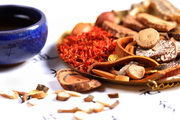 Introduction: Introduction: Herbs Activating Blood and Resolving Stasis—also known as blood-activating and stasis-resolving herbs—are agents that promote blood circulation and eliminate stagnant blood. They are alternatively termed blood-activating and stasis-dispelling herbs or simply blood-activating herbs and stasis-resolving herbs. Blood-activating herbs are used to treat impaired or static blood flow; stasis-resolving herbs are used specifically for blood stasis. Based on functional differences, these herbs are classified into several categories: (1) blood-activating analgesic herbs, (2) blood-activating and menstruation-regulating herbs, (3) blood-activating and trauma-curing herbs (blood-activating and trauma-healing herbs), and (4) blood-breaking and mass-eliminating herbs (blood-breaking and mass-dissipating herbs).
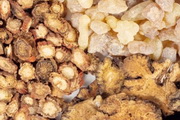 Introduction: Blood-activating analgesic herbs include the following:Rhizome Chuanxiong (Szechwan Lovage Rhizome), Rhizoma Corydalis (Yanhusuo), Radix Curcumae (Turmeric Root Tuber), Rhizoma Curcumae Longae (Turmeric), Rhizoma Wenyujin concisa (Wenyujin Concise Rhizome),Myrrha (Myrrh),Olibanum (Frankincense), and Faeces Trogopterorum (Trogopterus Dung).
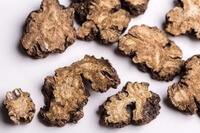 Brief Introduction: Rhizoma Chuanxiong is the dried rhizome of Ligusticum chuanxiong Hort. It is used (1) to activate blood circulation and promote the flow of Qi—for the treatment of irregular menstruation, dysmenorrhea, amenorrhea, and coronary heart disease—and (2) to dispel wind and alleviate pain—for relieving headache and rheumatoid arthritis. The herb is commonly known as Rhizoma Chuanxiong, Szechwan Lovage Rhizome, or Chuān Xiōng. more

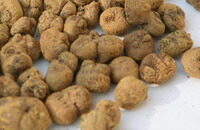 Brief Introduction: Rhizoma Corydalis is the steamed and dried tuber of Corydalis yanhusuo W. T. Wang. It is used to activate blood circulation and regulate Qi flow—to relieve chest and abdominal pain, dysmenorrhea, and traumatic pain. The herb is commonly known as Rhizoma Corydalis, Yanhusuo, Yán Hú Suǒ, or Yuán Hú. more
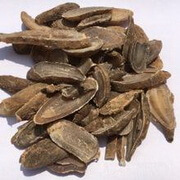 Brief Introduction: Radix Curcumae is the steamed and dried tuberous root of Curcuma wenyujin Y. H. Chen et C. Ling, Curcuma longa L., Curcuma kwangsiensis S. G. Lee et C. F. Liang, or Curcuma phaeocaulis Val. It is used: (1) to activate blood circulation and regulate Qi to relieve pain in the chest, abdomen, or hypochondriac regions caused by Qi stagnation and blood stasis; (2) to cool the blood and arrest bleeding in cases of hemorrhage due to upward rebellion of Qi and fire; (3) to calm the mind and spirit in delirium, mania, and epilepsy; and (4) as a cholagogue for jaundice. The herb is commonly known as Radix Curcumae, Turmeric Root Tuber, or Yù Jīn. more
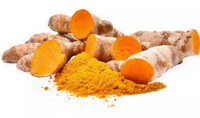 Brief Introduction: Rhizoma Curcumae Longae is the steamed and dried rhizome of Curcuma longa L. It is used to activate blood circulation, promote Qi flow, unblock meridians, and relieve pain in conditions such as rheumatoid arthritis, dysmenorrhea, epigastric, abdominal, and costal pain, and traumatic injuries. It is commonly known as Rhizoma Curcumae Longae, Turmeric, or Jiānɡ Huánɡ. more
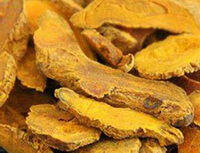 Brief Introduction: Rhizoma Wenyujin concisa is the dried rhizome of Curcuma wenyujin Y. H. Chen et C. L. Ling, used to resolve blood stasis and alleviate pain in conditions such as dysmenorrhea, rheumatoid arthralgia, shoulder pain, and traumatic injuries. It is commonly known as Rhizoma Wenyujin concisa, Wenyujin Concise Rhizome, or Piàn Jiāng Huáng. more
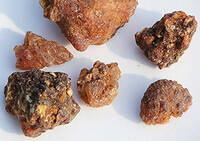 Brief Introduction: The herb Myrrha is a gum-resin obtained from the stems of Commiphora molmol Engler and possibly other related species. It is used to relieve pain and swelling in traumatic injuries. The herb is commonly known as Myrrha, Myrrh, or Mò Yào. more
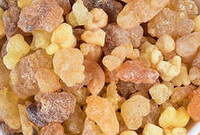 Brief Introduction: The herb Olibanum is the gum-resin obtained from Boswellia carterii Birdwood and possibly other Boswellia species. It is used to relieve pain and swelling in cases of traumatic injury by activating local blood circulation. The herb is commonly known as Olibanum, Frankincense, or Rǔ Xiānɡ. more
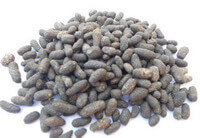 Brief Introduction: Faeces Trogopterorum is the dried feces of Trogopterus xanthipes Milne-Edwards, used primarily to invigorate blood circulation and dispel blood stasis for relieving pain—especially in cases of epigastric and abdominal pain, and dysmenorrhea. It is commonly known as Faeces Trogopterorum, Trogopterus Dung, or Wǔ Línɡ Zhī. more
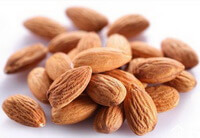 Brief Introduction: Semen Persicae is the dried, ripe seed of Prunus persica (L.) Batsch. or Prunus davidiana (Carr.) Franch. It is used (1) to promote blood circulation and remove blood stasis—for treating amenorrhea, dysmenorrhea, abdominal masses, and traumatic injuries—and (2) as a mild laxative for constipation in the elderly and debilitated individuals. The herb is commonly known as Semen Persicae, Peach Seed, or Táo Rén. more
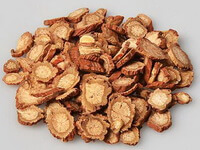 Brief Introduction: Radix Salviae Miltiorrhizae is the dried root and rhizome of Salvia miltiorrhiza Bunge. It is used (1) to promote blood circulation and remove blood stasis—for treating dysmenorrhea, amenorrhea, abdominal masses due to blood stasis, ischemic stroke, and coronary heart disease; (2) to clear heat from the blood—for treating boils and sores; and (3) to calm the mind—for treating palpitations and insomnia. The herb is commonly known as Radix Salviae Miltiorrhizae, Danshen Root, Dan-Shen Root, Dān Shēn, or Chinese Red Sage Root. more
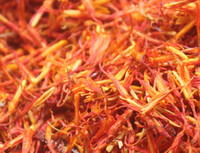 Brief Introduction: Flos Carthami is the dried flower of Carthamus tinctorius L., used to invigorate blood circulation, resolve blood stasis, and alleviate pain in the treatment of amenorrhea, chest pain, abdominal masses, and traumatic injuries. It is commonly known as Flos Carthami, Safflower, Hóng Huā, or Cǎo Hóng Huā. more
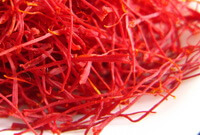 Brief Introduction: Stigma Croci is the dried stigma of Crocus sativus L., used similarly to Flos Carthami. It is commonly known as Stigma Croci, Crocus sativus, Saffron, Xī Hóng Huā, or Fān Hóng Huā. more
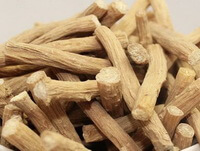 Brief Introduction: Radix Achyranthis Bidentatae is the dried root of Achyranthes bidentata Blume. It is used: (1) to nourish the liver and kidneys and strengthen the tendons and bones—indicated for soreness and weakness of the lower back and knees, and asthenia of the lower limbs; (2) to invigorate blood circulation and dispel stasis—indicated for amenorrhea, dysmenorrhea, irregular menstruation, and traumatic injuries; and (3) to direct rebellious qi or fire downward—indicated for headache and dizziness due to hyperactivity of Liver Yang, epistaxis and hemoptysis due to flaming-up of Fire. It is commonly known as Radix Achyranthis Bidentatae, Twoteethed Achyranthes Root, or Niú Xī. more
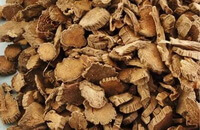 Brief Introduction: Radix Cyathulae is the dried root of Cyathula officinalis Kuan. It is used (1) to invigorate blood and dispel stasis for treating amenorrhea, dysmenorrhea, and traumatic injuries; (2) to tonify the liver and kidney and strengthen tendons and bones for low back pain and arthralgia; and (3) to direct fire and blood downward for headache, epistaxis, and hematemesis. It is commonly known as Radix Cyathulae, Medicinal Cyathula Root, or Chuān Niú Xī. more
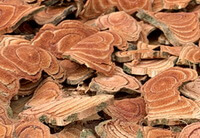 Brief Introduction: Caulis Spatholobi is the dried lianoid stem of Spatholobus suberectus Dunn. It invigorates and tonifies the blood, regulates menstruation, and unblocks the collateral meridians. It is used to treat menstrual disorders arising from concurrent blood deficiency and blood stasis, peripheral vascular inflammation or thrombosis, numbness of the body and limbs, and leucopenia. It is commonly known as Caulis Spatholobi, Suberect Spatholobus Stem, or Jī Xuè Téng (“Chicken-Blood Vine”). more
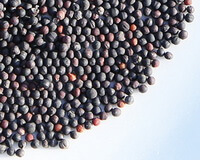 Brief Introduction: Semen Vaccariae is the dried ripe seed of Vaccaria segetalis (Neck.) Garcke. It is used as an emmenagogue and galactagogue for treating amenorrhea and insufficient lactation, and also employed in the treatment of urinary calculi. The herb is commonly known as Semen Vaccariae, Cow-Herb Seed, or Wánɡ Bù Liú Xínɡ. more
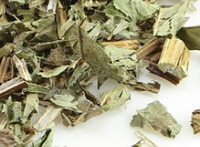 Brief Introduction: Herba Lycopi is the dried aerial part of Lycopus lucidus Turcz. var. hirtus Regel. It is used (1) to invigorate blood circulation, resolve blood stasis, and regulate menstruation—indicated for irregular menstruation and postpartum abdominal pain; (2) to reduce swelling and alleviate traumatic injuries, boils, and sores; and (3) to promote diuresis for edema and ascites. Commonly known names include Herba Lycopi, Bugleweed Herb, Hiraute Shiny Bugleweed Herb, and Herb of Hirsute Shiny Bugleweed, as well as Zé Lán. more
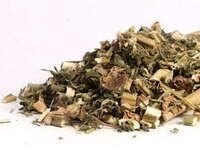 Brief Introduction: Herba Leonuri consists of the dried aerial parts of Leonurus heterophyllus Sweet. It is used (1) to invigorate blood circulation and regulate menstruation in cases of menstrual disorders, and (2) as a diuretic for nephritic edema. Common names include Motherwort, Herba Leonuri, and Yì Mǔ Cǎo. more
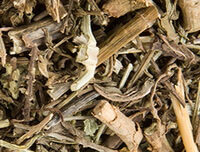 Brief Introduction: Herba Verbenae is the dried aerial part of Verbena officinalis L., used (1) to invigorate blood circulation and promote menstruation for treating amenorrhea and dysmenorrhea; (2) as an antimalarial agent for malarial splenomegaly; and (3) to clear heat and detoxify, for treating boils and other suppurative inflammations. It is commonly known as Herba Verbenae, European Verbena Herb, and Mǎ Biān Cǎo. more
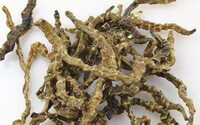 Brief Introduction: Radix Ilicis Pubescentis is the dried root of Ilex pubescens Hook. et Arn. It is used (1) to invigorate blood circulation and unblock the meridians and collaterals—indicated for thromboangiitis obliterans and angina pectoris; (2) to clear heat and counteract toxins—indicated for inflammatory conditions such as acute tonsillitis; and (3) as an antitussive and expectorant—indicated for acute bronchitis. It is commonly known as Radix Ilicis Pubescentis, Pubescent Holly Root, Root of Pubescent Holly, or Máo Dōnɡ Qīnɡ. more
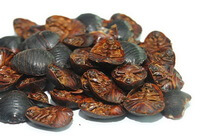 Brief Introduction: Eupolyphaga seu Steleophaga is the dried whole body of the female insect of Eupolyphaga sinensis Walker or Steleophaga plancyi (Bol.). It is used (1) to break blood stasis for treating amenorrhea and gynecological masses, and (2) to promote bone fracture healing. Commonly known names include Eupolyphaga seu Steleophaga, Ground Beetle, Zhè Chóng, and Tǔ Biē Chóng. more
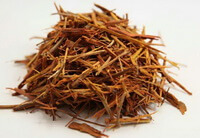 Brief Introduction: Lignum Sappan is the dried heartwood of Caesalpinia sappan L., used to invigorate blood and dispel stasis. It is primarily indicated for contused wounds, dysmenorrhea, and amenorrhea. Commonly known as Sappan Wood, Logwood, or Sū Mù. more
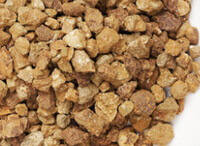 Brief Introduction: Pyritum is a brassy-yellow mineral composed of iron disulfide (FeS₂), commonly occurring as cubic or octahedral crystals. It is used in Traditional Chinese Medicine to promote fracture healing and alleviate traumatic pain. Commonly known as Pyrite, Pyritum, or Zì Rán Tónɡ. more
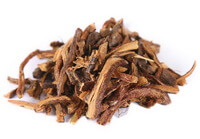 Brief Introduction: Rhizoma Drynariae is the dried rhizome of Drynaria fortunei (Kunze) J. Smith or Drynaria baronii (Christ) Diels (family Polypodiaceae), used (1) to tonify the kidney for treating lumbago, impaired hearing, and tinnitus; (2) to promote the healing of traumatic injuries and bone fractures; and (3) externally for alopecia areata and vitiligo. The herb is commonly known as Rhizoma Drynariae, Fortune’s Drynaria Rhizome, Gǔ Suì Bǔ, or Shí Yán Jiāng (“Rock Ginger”), Hóu Jiāng (“Monkey Ginger”), and Máo Jiāng (“Hairy Ginger”). more
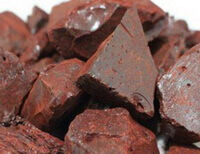 Brief Introduction: Sanguis Draconis is a red resin exuded from the fruit of Daemonorops draco Bl. It is used to invigorate blood circulation, dissipate blood stasis, alleviate pain, and promote wound healing—particularly in the treatment of traumatic injuries. Common names include Sanguis Draconis, Dragon’s Blood, and Xuè Jié. more
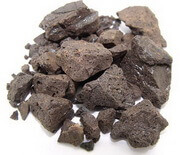 Brief Introduction: Catechu is a dry extract prepared from the debarked stems and branches of Acacia catechu (L.f.) Willd. It is used externally as an astringent for chronic ulcers, eczema, and traumatic bleeding. Commonly known names include Catechu, Cutch, Black Catechu, and Ér Chá. more
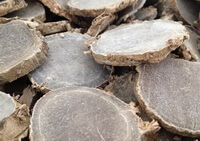 Brief Introduction: Rhizoma Curcumae is the steamed and dried rhizome of Curcuma zedoaria Roxb., Curcuma phaeocaulis Valeton, Curcuma kwangsiensis S. G. Lee et C. F. Liang, or Curcuma wenyujin Y. H. Chen et C. L. Ling. It is used to relieve pain caused by food retention, activate blood circulation, and resolve blood stasis—particularly for treating abdominal masses and amenorrhea—and has been employed as an anticancer agent, especially against cervical cancer of the uterus. The herb is commonly known as Rhizoma Curcumae, Zedoary Rhizome, or É Zhú. more
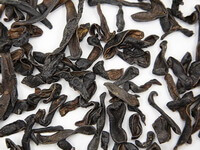 Brief Introduction: Hirudo is the dried whole body of Whitmania pigra Whitman, Whitmania acranulata Whitman, or Hirudo nipponica Whitman. It is used to break blood stasis and reduce swelling, primarily for severe blood stasis syndromes such as hematoma, amenorrhea, gynecological masses, and contusions. Commonly known as Hirudo, Leech, or Shuǐ Zhì. more
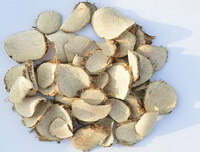 Brief Introduction: Rhizoma Sparganii is the peeled and dried tuber of Sparganium stoloniferum Buch.-Ham. It is used to break blood stasis and dissipate masses, primarily for treating dysmenorrhea, amenorrhea, and abdominal masses. It is commonly known as Rhizoma Sparganii, Common Burreed Tuber, or Sān Léng. more
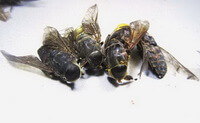 Brief Introduction: Tabanus is the dried female insect of Tabanus bivittatus Matsumura. It is used to break blood stasis and reduce swellings, primarily for severe blood stasis syndromes such as amenorrhea and gynecological masses. It is commonly known as Tabanus, Gadfly, or Ménɡ Chónɡ. more
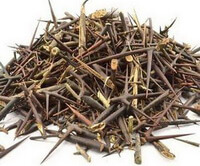 Brief Introduction: Spina Gleditsiae is the dried spine of Gleditsia sinensis Lam. It is used (1) to reduce swelling and promote abscess rupture in acute suppurative inflammation, and (2) as an antipruritic for skin disorders. It is commonly known as Spina Gleditsiae, Chinese Honeylocust Spine, or Zào Jiǎo Cì. more
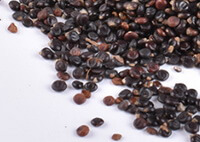 Brief Introduction: Fructus Polygoni Orientalis is the dried, ripe fruit of Polygonum orientale L., used clinically to invigorate blood and dispel stasis for abdominal pain and to relieve epigastric pain caused by food stagnation. It is commonly known as Fructus Polygoni Orientalis, Prince’s-Feather Fruit, or Shuǐ Hónɡ Huā Zǐ. more
