
Pay attention to sleep hygiene practices before and after sleep.
- Introduction.
-
 Introduction: Sleeping well means practicing good sleep hygiene, which is an important part of daily health regimen. It includes the following three aspects:
- Pay attention to sleep hygiene practices before and after sleep.
-
 ✵1. Sleep preparation (pre-sleep practices):
(1) Calming the mind: Before bedtime, stabilize your emotions, quiet your mind, and let go of distracting thoughts. As recorded in the ancient works Lao Lao Heng Yan (Constant Sayings for the Elderly): “When sleeping, the spirit rests and resides in the heart; when the spirit resides in the heart, clarity of heart is the fundamental principle.”
(2) Light activity before bed: Engage in gentle walking or slowly observe your surroundings in the bedroom—this helps stabilize mood and promotes relaxation conducive to sleep.
(3) Avoid tobacco, alcohol, and tea before bed: Refrain from smoking, drinking alcohol, and especially consuming tea before sleep. Tea contains caffeine, which stimulates the nervous system and disrupts sleep.
(4) Foot soak and Yongquan point massage: Soak your feet in warm water and gently massage the Yongquan acupoint on the sole of each foot. This relaxes both body and mind and facilitates faster sleep onset.
(5) Appropriate bedding: Bedding should be clean and suited to your physical constitution—for example, individuals with frequent lower back pain may benefit from a firmer mattress, and pillow height should be moderate.
 ✵II. Sleep hygiene during sleep:
(1) Protect against wind exposure while lying down: While sleeping, avoid direct exposure to outdoor wind pathogens—especially at the head and face—as such exposure may lead to conditions like facial paralysis.
(2) Keep the head uncovered during sleep: The head should remain outside the quilt. Covering the head while sleeping traps exhaled carbon dioxide and other stale air, potentially harming health.
(3) Sleep alone: It is recommended to sleep separately. As the ancients stated: “Taking medicine for a thousand days is not as beneficial as sleeping alone for one night.”
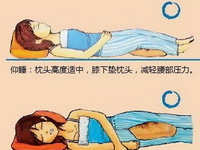
(4) Maintain proper sleeping posture: On average, a person changes sleeping position more than 20 times per night. Traditional health preservation emphasizes right-side lying as the optimal posture.
- III. Post-sleep maintenance:
-
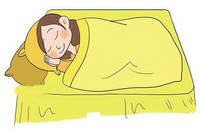 ✵How to Sleep Well:
A. Quality sleep results from balanced functioning of the body and its nervous system. If insomnia stems from an underlying medical condition, seek treatment for that condition first.
B. Avoid sleeping on your stomach or back.
C. Maintain a consistent bedtime. Avoid overeating at dinner, and finish eating at least two hours before bedtime.
D. Ensure the bedroom air is fresh; use moderately firm bedding and a pillow of appropriate height. Taking a warm bath before bed promotes relaxation and relieves fatigue.
 ✵III. Post-sleep maintenance:
“Post-sleep maintenance” refers to the first 30 minutes following awakening—transitioning from sleep to full wakefulness.
(1) Rising marks the beginning of a new day; therefore, cultivate a refreshed mental state to greet it.
(2) Morning is typically a time of mental clarity—ideal for study, work, and generating new insights and discoveries. Avoid rushing out of bed, and refrain from immediately plunging into a fast-paced routine upon waking.
Additionally, you may incorporate the following simple self-care practices:
- Face rubbing: helps prevent colds and reduces facial wrinkles;
- Eye rolling: enhances optic nerve flexibility;
- Teeth tapping: strengthens resistance to disease;
- Abdominal strengthening exercises: support gastric digestion and nutrient absorption;
- Anal contraction exercises (e.g., Kegels): help prevent rectal prolapse and hemorrhoids;
- Hair combing: refreshes the mind;
- Waist bending: alleviates lower back pain.
Edited and last revised:
