
The Benefits of Brushing Your Teeth Before Bed
- Introduction
-
 Introduction: Brush your teeth for two minutes, ideally 30 minutes before going to bed, to remove food debris and oral bacteria accumulated throughout the day. This helps maintain overnight oral hygiene and prevents dental caries and periodontal disease. Nighttime brushing is even more important than morning brushing.
Ancient and Modern Insights: Ancient texts state: “Rinse and brush your teeth daily—especially in the morning, when toxins from the day’s meals accumulate between the teeth.” Nighttime brushing removes this debris effectively, helping preserve tooth integrity; thus, brushing at night is more beneficial than brushing in the morning—a principle long recognized for optimal dental health. Another classical works, Yi Shuo (A Treatise on Medicine), notes: “Common health practices are often misguided. Rinsing the mouth upon waking is less effective than rinsing before bed. Removing overnight residue strengthens teeth.”
- The Correct Way to Brush Your Teeth
-
 Introduction: A modern misconception claims: “Brushing only before bed is insufficient; brushing within three minutes after meals is essential because bacteria begin damaging enamel immediately.” However, this is incorrect. The tooth crown is covered by enamel, which softens temporarily after eating due to acidic exposure. Brushing during this vulnerable period accelerates enamel loss. Instead, rinse thoroughly with water—or preferably with an antiseptic mouthwash—after dinner. Hence, the traditional advice—“brush morning and night, and rinse after meals”—remains scientifically sound.
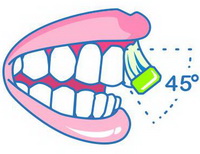
 ✵The correct way to brush your teeth: Select lukewarm water (30–36°C) for brushing, as this temperature best supports normal tooth metabolism. Prolonged exposure to extreme cold or heat can damage dental nerves and compromise tooth longevity. Use a soft-bristled toothbrush 30 minutes before bed. Position the bristles at a 45-degree angle where teeth meet gums, pointing toward the root. Use gentle circular motions—not horizontal scrubbing—to clean all surfaces systematically. Horizontal “sawing” motions wear away gum tissue and enamel near the root, causing wedge-shaped defects (a clinical term for non-carious cervical lesions). Brush for exactly two minutes: longer durations do not improve cleanliness but may erode the protective pellicle, leading to irreversible enamel damage. After brushing, apply 3–5 drops of plaque-disclosing solution to teeth and gums using a cotton swab. Red-stained areas indicate residual plaque and require targeted brushing. Finally, rinse briefly with plain water to clear debris from posterior oral regions.
- The Benefits of Brushing Your Teeth Before Bed.
-
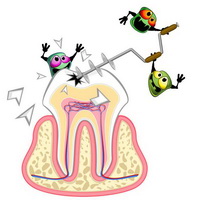
 ✵1. Tooth Protection: Morning brushing cleans the mouth temporarily, but by day’s end, food particles and bacteria accumulate on tooth surfaces and in interdental spaces. Skipping or inadequately performing nighttime brushing allows bacterial fermentation of debris into acid. During sleep, reduced salivary flow fails to neutralize or dilute this acid—greatly increasing caries risk. Pre-sleep brushing reduces oral bacterial load by 60–70%. Rinsing alone reduces it by only 5–30%.
✵2. Bad Breath Control: Toothpaste contains abrasives and surfactants that help prevent caries, reduce gingival inflammation, control bleeding, inhibit acid production, alleviate discomfort, and suppress calculus formation. Therefore, brushing before bed sustains oral cleanliness overnight, effectively controlling halitosis caused by poor oral hygiene and leaving breath fresher.
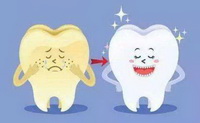 ✵3. Promotes Sleep: Brushing your teeth, washing your face, and performing gentle self-massage before bed are common daily hygiene practices. Rinsing your mouth thoroughly after brushing leaves you feeling refreshed. Consistently brushing your teeth before bedtime helps establish a calming pre-sleep routine, which can naturally signal the body to prepare for rest.
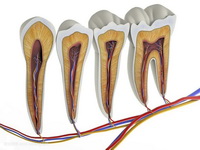
 ✵4. Disease Prevention: Periodontal disease adversely affects vital organs—including the heart, lungs, and kidneys—and is linked to systemic conditions with high mortality rates. Periodontal bacteria can enter the bloodstream, contributing to clot formation, vascular obstruction, myocardial infarction, and stroke. Individuals with periodontitis have a 1.4-fold higher risk of coronary heart disease and a 2.1-fold higher risk of stroke compared with those without periodontitis. Oral bacteria may also be aspirated into the lungs, increasing pneumonia risk; people with poor oral hygiene are twice as likely to develop chronic lung infections and experience reduced pulmonary function as those with good oral hygiene.
✵Tips: Even after tooth loss, older adults should maintain oral hygiene—not only by cleaning dentures regularly, but also by brushing residual food debris from the contact surfaces between dentures and remaining natural teeth, as well as from intraoral tissues, to prevent caries and mucosal inflammation.
Last edit and revision-date:
