
How to Choose the Right Furniture: Does Furniture Affect Your Health?
- Introduction.
-
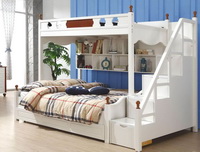 Introduction: Choose furniture that suits the body to help us sit or lie down more comfortably—preventing poor sleeping and sitting postures. This is a healthy habit grounded in human-centered design.
Ancient and Modern Insights: The ancient text Liji · Nei Ze records: “When arranging one’s sleeping place, the method of installation places the bed at the center.” It emphasizes the profound relationship between a person’s posture—whether standing or lying—and the bed; regardless of whether the bed is luxurious or humble, its primary function is to support rest and restful sleep. From the perspective of health preservation, besides considering aesthetics, sturdiness, and durability, the key criterion is whether the bed promotes sound sleep and well-being.
- How to Choose the Right Furniture: Does Furniture Affect Your Health?
-
 Ancient physicians held that maintaining good health requires specific requirements for bed height, width, and firmness. Many people prefer lower bunks in dormitories or sleeping compartments because they are convenient and comfortable. The classical works Laolao Hengyan (Constant Sayings for the Elderly, section on beds) states: “A low bed makes lying down and rising equally convenient,” advocating that beds be relatively low. However, tables, chairs, and benches should not be excessively low; overly low seating encourages poor sitting posture and gradually weakens spinal integrity.
Low-profile furniture has been fashionable for years. Flip through contemporary lifestyle magazines—whether featuring modern or classic styles—you’ll find uniformly low tables, low coffee tables, and low sofas. While such furniture appears relaxed and visually pleasing, it often compromises ergonomic comfort. Among patients visiting hospitals for lumbago or neck pain, many report symptom onset after moving into a new residence or renovating their home. Investigation reveals that inappropriate new furniture is frequently the underlying cause.
 ✵How to Choose the Right Furniture:
The optimal bed height is approximately 60 cm—roughly from the knee to the midpoint of the hamstrings. Bed width should neither be excessively narrow nor overly wide. Bed length need only exceed the sleeper’s height by about 30 cm; bed width should be 30–40 cm greater than the sleeper’s shoulder width. For infants, bed rails must surround the entire bed to prevent falls and injury. The ideal mattress firmness corresponds to a 10-cm-thick cotton pad placed atop a solid wooden slat base. When selecting furniture, hardwood pieces are generally preferable. If hardwood is undesirable, choose furniture with balanced firmness—sufficient structural support without excessive softness—and avoid extremely soft options. Sofa height should align with the TV stand height; both should be coordinated, with a minimum height of 50 cm. After three months of use, rotate the mattress top-to-bottom and head-to-foot to distribute wear evenly—extending its lifespan and supporting long-term health.
- Health Benefits of Choosing the Right Furniture:
-
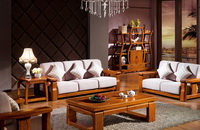 ✵1. Convenience and Practicality: An appropriately heighted bed allows unimpeded access and enables users to sit on the edge and put on shoes easily—especially beneficial for older adults. Due to diminished vital energy and blood circulation, seniors often experience slowed movement and reduced mobility; thus, suitable bed height is essential. A bed that is too high hinders ease of sitting and may induce tension, impairing sleep quality; conversely, a bed that is too low compromises under-bed ventilation and increases exposure to dampness.
✵2. Support for Restful Sleep: As noted in traditional health literature: “An eight-chi bed signifies spaciousness—hence, the bed must be wide.” Ancient practitioners believed that ample bed surface area facilitates free expansion and contraction during sleep, promoting smooth flow of Qi and blood, full muscular and skeletal relaxation, and effective fatigue recovery. Moreover, a mattress with balanced firmness accommodates the body’s natural curves when lying down, helping maintain postural integrity and contributing to overall physical health.
✵3. Cervical Spine Protection: Overly soft sofas encourage slouching while watching TV, causing sustained tension across all spinal segments and potentially damaging the spine. Excessively soft sofas and beds hinder proper spinal and limb skeletal development in children and accelerate kyphosis in older adults. For individuals with cervical or lumbar spine conditions, sleeping on an overly soft mattress increases ligamentous and facet joint loading, exaggerates physiological spinal curvatures, and worsens symptoms.
✵4. Comfort and Refresh the Mind: Selecting high-quality furniture made from certain natural woods can exert mild pharmacological effects on the body. For example, Hainan Jiangxiang rosewood—commonly known as Huanghuali and colloquially termed “hypotensive wood”—is documented in the ancient medical works Bencao Gangmu (Compendium of Materia Medica) under the name Jiangxiang. It is traditionally believed to help lower blood pressure and blood lipids while promoting blood circulation. Furniture crafted from Hainan Jiangxiang rosewood or sandalwood—including beds, chairs, and stools—supports restful sleep and mental calm. Its aromatic compounds enter the body via inhalation, reaching the lungs; long-term use is thought to benefit Qi and blood circulation.
✵Tips: When selecting hardwood furniture, prioritize environmentally friendly materials from manufacturers with certified quality control (QC) systems—to avoid formaldehyde emissions exceeding safety limits, which may harm health.
Edited and last revised:
