
The washing machine needs to be cleaned regularly.
- Introduction.
-
 Introduction: Technology has made life easier, but appliances such as washing machines, dishwashers, and produce washers can themselves become sources of contamination. They require regular cleaning.
From the Tang dynasty poet Li Bai’s verse: "In Chang’an, for a month, the sound of ten thousand households beating clothes echoes," and Du Fu’s line: "Everywhere, cold-weather garments urge the tailor’s ruler; at Baidi City, high on the cliffs, evening hammers strike the anvil"—both reflect how ancient people cleaned clothing using washboards and wooden mallets. In contrast, modern society’s pursuit of convenience—sometimes dubbed "laziness-driven technological advancement"—has propelled the widespread adoption of washing machines.
- The washing machine needs to be cleaned regularly.
-
 Introduction: The interstitial areas of washing machines accumulate scale, residual detergent, fabric fibers, human-derived organic matter, dust, and bacteria. At room temperature, these contaminants proliferate and ferment, posing serious risks: during operation, they can recontaminate laundry and jeopardize human health.
✵When using a dishwasher, ensure no food residue remains on dishes. Clean the filter strainer regularly after each cycle. After washing clothes, remove them promptly to dry; simultaneously clean the lint filter. Always leave the washing machine lid or door open for 2–3 hours post-cycle to air out. For front-loading machines, wipe the rubber door gasket thoroughly to prevent moisture buildup.
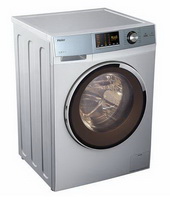 ✵Tip 1: Use a dedicated washing machine cleaner
After adding the cleaning agent, fill the drum to the highest water level. Run the machine for 5 minutes to fully dissolve the agent—water may be heated to 40 °C. Then power off and soak for at least 1 hour. Finally, run a normal wash cycle (without laundry). Upon completion, visible debris and grime will float on the water surface.
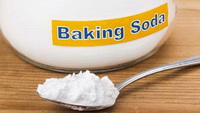 ✵Tip 2: Baking soda and white vinegar
Dissolve 100 g of baking soda in water and pour it into a water-filled washing machine. Run for 5 minutes. Separately, soak a clean towel in white vinegar and place it inside the drum for 30–60 minutes. Baking soda (sodium bicarbonate) forms a mildly alkaline solution that helps deodorize, soften water, inhibit limescale formation by sequestering calcium and magnesium ions, and gradually break down existing scale and sludge. White vinegar—dilute acetic acid—effectively dissolves mineral deposits and organic residues. Used together, they provide complementary cleaning and antimicrobial action.
✵Tip 3: Use chlorine bleach
Add the appropriate amount of chlorine bleach—never non-chlorine or color-safe varieties. Dilute 300 mL of bleach in 40 L of water, fill the drum to the highest level, then add bleach and stir gently. The slow-forming foam results from residual detergent dissolving in the water. After ~20 minutes, the bleach will thoroughly sanitize the inner drum’s hidden surfaces. Following agitation and spin cycles, residual debris may settle at the drum’s base; rinse once more with clean water to remove all traces.
- Benefits of regular washing machine cleaning:
-
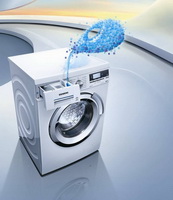 ✵1. Eliminate microbial contamination: Mold is detectable in 60.2% of washing machines used for over six months.
✵2. Cleaning and disease prevention: the bacteria and mold in the inner cylinder of the washing machine will grow faster in the humid environment. When washing clothes, mold spores spread in the water can contaminate clothes and spread to humans, causing itching, allergies and even dermatitis.
✵Tips: Install the washing machine in a well-ventilated, dry, and well-lit area. Clean it every three months. Commercially available washing machine disinfectants are recommended for routine maintenance.
Edited and last revised:
