
Wash Your Hands and Trim Your Nails Regularly: Keyboards and mobile phones should also be disinfected frequently.
- Introduction.
-
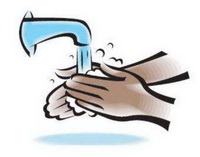 Frequent handwashing maintains hand hygiene and helps prevent the transmission of germs—both to oneself and to others. It is a cornerstone of food safety and an essential habit for preserving bodily cleanliness and reducing infection risk.
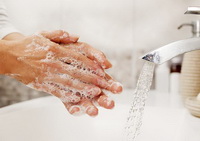 Ancient and Modern Insights: As early as the Xia and Shang dynasties, ancient Chinese emphasized hygiene to prevent disease. In personal care, they advocated washing hands and face, bathing regularly, gargling, and avoiding spoiled or toxic foods. In 1935, archaeologists excavating the tomb of King Yin in Anyang City, Henan Province, uncovered a complete set of toiletries—including clay pots, spoons, and combs.
- Wash Your Hands and Trim Your Nails Regularly: Keyboards and mobile phones should also be disinfected frequently.
-
 A renowned scholar once consulted an elderly Traditional Chinese Medicine (TCM) practitioner about health preservation. The practitioner replied, “Wash your hands often—and look in the mirror often.” Puzzled, the scholar asked for clarification. The practitioner explained: “Frequent handwashing offers three benefits: First, it keeps your hands clean—not only protecting yourself but also preventing contamination of others. Second, it stimulates blood circulation in the hands, enhancing sensory acuity and grip strength—so you can better sense warmth, cold, and weight when shaking hands. Third, clean hands foster a clear mind: mental clarity reduces anxiety and strengthens resistance to illness.”
The hands are primary tools for work and study. Their range of motion is extensive, and they contact countless surfaces—making them highly susceptible to contamination by bacteria, viruses, parasites, and parasite eggs. On just one square centimeter of hand skin, up to 10,000 microbes may reside—especially within skin folds. These may include pathogenic agents such as hepatitis A virus, harmful bacteria, or intestinal parasite eggs (e.g., roundworms and pinworms). Eating with unwashed hands not only compromises personal health but also spreads disease to others. Therefore, maintaining hand hygiene is critically important for disease prevention and overall well-being.
 Studies have found that computer keyboards and mice harbor up to 400 times more harmful bacteria than public toilet seats. Mobile phones are similarly laden with potentially dangerous microbes: each square centimeter hosts tens of thousands of bacterial colonies—exceeding even those found on toilet surfaces. Keyboards and mobile phones are among the most frequently touched objects in modern life, yet most people neglect to disinfect them—leading to repeated secondary infections and posing serious risks to health.
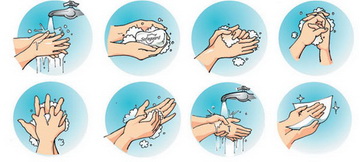
To wash your hands properly: Turn on the tap and wet your hands thoroughly under running water—including wrists, palms, and fingers. Apply soap or hand-washing liquid evenly, lather well, and ensure full coverage of palms, backs of hands, and between fingers. Rub both hands and wrists vigorously for at least 30 seconds. Rinse thoroughly with running water until all soap residue is removed. Clean under fingernails; if still soiled, repeat washing two or three times. Finally, use a small amount of clean water to rinse the faucet handle before turning off the tap.
You should wash your hands promptly in the following situations:
— Before and after meals;
— Before and after using the restroom;
— Before taking medication;
— After contact with blood, tears, mucus, phlegm, or saliva;
— After cleaning;
— After handling money;
— After touching other people;
— After playing outdoors or getting dirty;
— After outdoor sports, homework, or shopping;
— Before holding an infant;
— After contact with patients;
— After exposure to infectious substances;
— After touching your eyes, mouth, or nose;
— Before and after wearing a mask;
— After touching public surfaces such as handrails, door handles, elevator buttons, or shared telephones.
Pay attention to disinfecting high-contact surfaces in daily life—not only keyboards, mice, and mobile phones, but also door handles, which are equally critical.
- Health Benefits
-
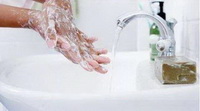 ✵1. Infection Prevention: Frequent handwashing helps prevent infectious diseases transmitted via hand contact—including the common cold, SARS, hand-foot-and-mouth disease, diarrhea, and dysentery.
✵2. Infection Prevention: Picking your nose, ears, or rubbing your eyes with unwashed hands introduces bacteria into the body. Regular handwashing and disinfection reduce the risk of bacterial infection.
 ✵3. Lead Poisoning Prevention: 80–90% of lead exposure in children occurs via the gastrointestinal tract. Children who suck their fingers after touching contaminated surfaces may develop elevated blood lead levels. Frequent handwashing significantly lowers this risk—especially for active, exploratory children.
✵Tips: While frequent handwashing is essential, placing children in a completely sterile environment is counterproductive, as it hinders the natural development of immune resilience.
Edited and last revised:
