
What Are the Benefits of Washing Your Face with White Vinegar? And How to Use It Correctly
- Introduction.
-
 Vinegar is a common, affordable condiment—and also a natural skincare aid. Diluted white vinegar possesses antibacterial, skin-brightening, and mild exfoliating properties, making it beneficial for acne-prone skin. However, undiluted white vinegar is highly acidic and can severely irritate or damage the skin barrier. Always dilute it with lukewarm water before use. Below are safe, evidence-informed methods.
- What Are the Benefits of Washing Your Face with White Vinegar? And How to Use It Correctly
-
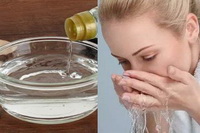 • Facial cleansing: Add one teaspoon of white vinegar to a bowl of lukewarm water. Gently splash or pat onto the face—do not scrub. Rinse thoroughly with clean water afterward.
• Hair rinse: After shampooing, rinse hair with lukewarm water containing one tablespoon of white vinegar. Wait 20 minutes, then rinse again with clean water. This helps restore scalp pH and enhances shine and smoothness in dry or dull hair.
• Overnight treatment: Mix five parts white vinegar with one part glycerin. Apply lightly to face and neck before bed. Leave on overnight—or rinse off after 30 minutes, then apply night cream. With consistent use over two weeks, skin may appear brighter and more supple.
 • Moisturizing mask: Combine one to two tablespoons each of white vinegar and raw honey. Apply to clean skin and rinse with lukewarm water after 5–10 minutes. Use 2–3 times weekly for smoother, more hydrated skin.
• Spot-lightening blend: Soak Atractylodes macrocephala rhizome (Bai Zhu) in white vinegar for seven days. Strain the liquid and gently dab onto areas with freckles or hyperpigmentation once daily. Results may appear gradually over several weeks.
• Skin-brightening wash: For individuals with dull or uneven skin tone, add a small amount of white vinegar to facial wash water or bathwater. Regular, diluted use may support gradual brightening—but avoid sun exposure without broad-spectrum sunscreen, as vinegar increases photosensitivity.
• Acne treatment: Simmer 30 g of Gleditsia sinensis thorns (Zao Jiao Ci) in 100 mL white vinegar over low heat until reduced by half. Filter, cool, and apply the extract sparingly to acne lesions using a cotton swab. May help reduce inflammation and post-acne marks with continued use.
Washing your face with properly diluted white vinegar may help balance skin pH, enhance hydration, improve radiance and elasticity, soften keratinized layers, and provide mild antimicrobial action. Below are key benefits—and essential safety guidelines.
- The Correct Way to Wash Your Face with White Vinegar
-
 • Dilution is critical: Use only one teaspoon of white vinegar per bowl of lukewarm water. Excessive concentration causes irritation, barrier disruption, increased transepidermal water loss, fine line formation, and dryness.
• Allow gradual adaptation: Begin with low frequency (e.g., once weekly) and minimal concentration. Increase slowly only if no redness, stinging, or flaking occurs.
• Choose compatible cleansers: Pair vinegar rinses with gentle, non-foaming, moisturizing cleansers. Avoid products containing high concentrations of salicylic acid, glycolic acid, or retinoids—these may compound irritation and compromise skin integrity.
• Wash your face with milk; choose a facial cleanser according to your skin type. If you have oily skin, opt for a mousse facial cleanser—the kind that dispenses foam. For neutral or dry skin, choose a low-foaming facial cleanser.
• Pay attention to how often you wash your face: When using white vinegar to wash your face, do not use it more than twice a day. Over-washing disrupts the skin’s natural sebum balance and impairs its ability to maintain harmony. Ideally, wash your face once daily—preferably before bedtime.
• Pay attention to water temperature: When using white vinegar to wash your face, control the water temperature carefully. White vinegar contains active components, and excessively hot water can deactivate acetic acid. Use lukewarm water—ideally between 30°C and 40°C. Water that is too hot deactivates acetic acid; water that is too cold fails to thoroughly cleanse facial impurities.
• Pay attention to follow-up skincare: After washing your face with white vinegar, proceed with your regular skincare routine. Choose hydrating, moisture-retaining products—and apply them while your skin is still slightly damp, rather than waiting until it is completely dry.
Applying a protective moisturizer afterward is sufficient—this step depends on your personal preference.
• Pay attention to the time interval: After using white vinegar to wash your face for two weeks, take a five-day break to allow your skin to return to its natural state and support healthy regeneration of skin cells, pores, and the stratum corneum.
This break helps prevent dependency on white vinegar and enables your skin to interact more effectively with its environment—reducing the risk of dermatitis.
 ✵Methods for whitening and cleansing the face: Skin conditions vary among individuals; however, the following natural ingredients are generally suitable for most skin types.
1. Morning and evening cleansing: Wash your face with pure milk or rice water, then rinse thoroughly with clean water. Consistent long-term use can brighten skin tone and improve elasticity.
2. Soybean residue or soy milk: These act as gentle exfoliants. Rich in soy isoflavones—which mimic estrogen—they benefit women’s skin health.
3. White vinegar: Use sparingly. Add only one small spoonful to your facial rinse water.
4. Pearl powder: First wet your face, then gently massage pearl powder onto the skin. For enhanced results, mix it with milk.
5. Optimal water temperature: Maintain water temperature between 30°C and 40°C—close to your skin’s natural temperature. Avoid extremes; moderate temperature is gentler on skin.
6. Post-cleansing care: After washing, pat your face dry with a clean towel, then follow your usual routine—applying toner, essence, emulsion, and other skincare products as normal.
Edited and last revised:
