
Introduction of TCM Syndrome Differentiation
-
 ✵In TCM, syndrome differentiation is the process of conducting an overall analysis of clinical data to determine the location, cause, and nature of a syndrome and to establish a syndrome (or pattern) diagnosis.
The following important aspects of TCM syndrome differentiation are introduced: Eight-Principle Syndrome Differentiation, Six-Meridian Syndrome Differentiation, Defense-Qi-Nutrient-Blood Syndrome Differentiation, Triple-Energizer Syndrome Differentiation, Qi-Blood Syndrome Differentiation, Body-Fluid Syndrome Differentiation, Disease-Cause Syndrome Differentiation, and Zang-Fu Viscera Syndrome Differentiation.
-
- Febrile Disease and Cold-induced Disease according to Shang Han Lun
- Miscellaneous Internal Disease according to Jin Kui Yao Lüe
- Yin Syndromes
- Syndromes of Traditional Chinese Medicine
- Gynecology Syndromes (Women's Syndromes)
- Introduction of TCM Diagnostics:Diagnostic Methods
- Introduction of TCM Diagnostics:Syndrome Differentiation
- Introduction of TCM Therapeutics
- Introduction of Prominent Ancient Herbalists
- Introduction of Well-Known Ancient Works
- Introduction of Four Seasons and Twenty Four Solar Terms
- Introduction of Yun Qi Theory
- TCM Herbalism:Herbs and Classifications
- Fundamental Theories:Essence Qi,Yin Yang,Five-Elements,Correspondence
- Introduction of Acupuncture and Moxibustion
- Eight-Principle Syndrome Differentiation
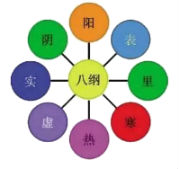 Eight-Principle Syndrome Differentiation, also known as Eight-Principle Pattern Identification, is the process of diagnosing a syndrome (or pattern) by analyzing the patient’s condition according to the eight principles. This involves differentiating the location of a disease as either exterior or interior, distinguishing the nature of a disease as either cold or heat, identifying the patient’s condition as either deficiency or excess, and classifying the syndrome or pattern as either yin or yang.Read more
- Six-Meridian Syndrome Differentiation
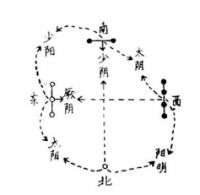 Six-Meridian Syndrome Differentiation, also known as Six-Meridian Pattern Identification, involves differentiating syndromes (or identifying patterns) according to the theory of the six meridians. This method is primarily applied to the diagnosis of acute febrile diseases at different stages, but it is also useful for syndrome differentiation (or pattern identification) in other diseases.Read more
- Defense-Qi-Nutrient-Blood Syndrome Differentiation
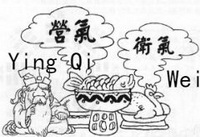 Defense-Qi-Nutrient-Blood Syndrome Differentiation, also known as Four-Aspect Pattern Identification, is a method of syndrome differentiation (or pattern identification) for epidemic febrile diseases based on the theory of defense, Qi, nutrient, and blood. These aspects reflect the stages of disease progression and the corresponding pathological changes.Read more
- Triple-Energizer Syndrome Differentiation
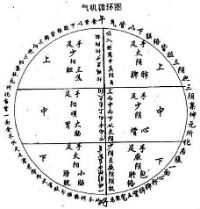 Triple-Energizer Syndrome Differentiation, also known as Triple-Energizer Pattern Identification, is a method of syndrome differentiation (or pattern identification) based on the theory of the triple energizer.Read more
- Qi-Blood Syndrome Differentiation
 Qi-Blood Syndrome Differentiation, also known as Qi-Blood Pattern Identification, involves differentiating syndromes (or identifying patterns) based on the state of Qi and blood.Read more
- Body-Fluid Syndrome Differentiation
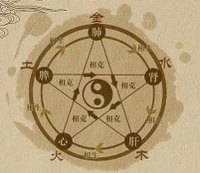 Body-Fluid Syndrome Differentiation, also known as Body-Fluid Pattern Identification, involves differentiating syndromes (or identifying patterns) based on the condition of body fluids.Read more
- Disease-Cause Syndrome Differentiation
Disease-Cause Syndrome Differentiation, also known as Disease-Cause Pattern Identification, involves analyzing and differentiating pathological conditions attributable to various etiological factors to arrive at a diagnosis.Read more
- Zang-Fu Syndrome Differentiation
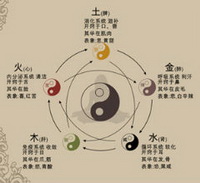 Zang-Fu Syndrome Differentiation, also known as Zang-Fu Pattern Identification, involves identifying and differentiating syndromes (or patterns) based on the pathological changes of the Zang-Fu viscera.Read more
Edited:
