
How Can Computer Users Protect Their Eyes?
- Introduction.
-
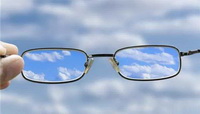 Introduction: Clinically, ophthalmologists frequently encounter patients presenting with symptoms such as dryness, discomfort, photophobia, and blurred vision. Most are computer operators, editors, graphic designers, teachers, or artisans engaged in fine-detail work (e.g., embroidery). With the widespread integration of computers into professional and personal life, these symptoms have become increasingly prevalent. Importantly, they typically stem not from underlying pathology but from visual fatigue due to suboptimal ergonomic and behavioral habits.
Staring Is Harmful to Eye Health: Prolonged periods of intense visual concentration—especially at close range—are detrimental to ocular health. First, sustained neural activation can lead to ciliary muscle spasm and chronic functional decline of the optic nerve. Second, extended near-work promotes axial elongation of the eyeball, a key mechanism in myopia progression. Third, blink rate drops significantly during screen use: while the normal blink rate is approximately 15 times per minute, it falls to just 2–3 blinks per minute during focused tasks. This drastically reduces tear film stability and accelerates tear evaporation—leaving the ocular surface inadequately lubricated and vulnerable to inflammation.
 Early clinical examination of such patients often reveals no structural abnormality; however, chronic unaddressed strain may compromise long-term ocular health. In adolescents, prolonged near-work can trigger accommodative spasm—temporarily impairing distance vision—and potentially accelerate the onset of true myopia. Conversely, adults over age 45 experience age-related decline in accommodative amplitude (presbyopia), resulting in near-vision fatigue and difficulty sustaining focus. Prolonged computer use exacerbates these symptoms and may unmask or worsen underlying conditions such as glaucoma or cataracts.
- How Can Computer Users Protect Their Eyes?
-
 ✵Introduction: Integrating Work, Rest, and Prevention: To prevent or alleviate digital eye strain, consistent daily eye care is essential. Persistence is key—begin with the following evidence-informed strategies:
✵1. Take Regular Visual Breaks:
Follow the 20-20-20 rule: every 20 minutes, look at something 20 feet (6 meters) away for at least 20 seconds. Alternatively, take a 10–15-minute break after every 2 hours of continuous near-work. During breaks, gaze out a window, perform gentle eye movements, or complete standardized eye exercises—any activity that shifts focus away from near tasks provides restorative benefit.
✵2. Optimize Blinking and Ocular Surface Hydration:
Consciously increase blink frequency and fully close eyelids during each blink. Use preservative-free artificial tears as needed to supplement tear film. Position your monitor so the top of the screen is at or slightly below eye level—creating a downward gaze angle of 15–20 degrees. This reduces exposed ocular surface area and minimizes tear evaporation. Avoid seating directly in air-conditioning drafts; place a small water container nearby to maintain ambient humidity.
✵3. Engage in Dynamic Visual Activities:
Participate regularly in sports requiring rapid tracking and dynamic focusing—such as table tennis, badminton, or basketball. As the eyes follow moving targets, the ciliary and extraocular muscles alternate between contraction and relaxation, enhancing ocular blood flow and metabolic efficiency—thereby reducing cumulative fatigue.
 ✵4. Maintain Balanced Nutrition:
Prioritize foods rich in calcium, high-quality protein, omega-3 fatty acids, and antioxidants (e.g., leafy greens, eggs, fatty fish, nuts). Limit refined sugar intake: excessive sugar metabolism depletes vitamin B1 (thiamine), increasing susceptibility to optic neuropathy. Chewing crunchy foods (e.g., raw vegetables, nuts) stimulates masticatory muscles and supports ocular circulation.
✵5. Apply Complementary Therapies Judiciously:
Warm compresses (10–15 minutes, twice daily), lid hygiene, and supervised acupuncture may offer symptomatic relief for dry eye or fatigue. While traditional Chinese medicine (TCM) attributes prolonged visual strain to patterns such as Liver Blood Deficiency, Kidney Yin Deficiency, or Internal Heat, any herbal or patent medicine should be prescribed only after individualized TCM pattern diagnosis by a qualified practitioner.
✵6. Schedule Routine Ophthalmic Examinations:
Annual comprehensive eye exams are recommended—even in the absence of symptoms. If refractive errors (myopia, hyperopia, astigmatism) are present, wear properly prescribed corrective lenses. Promptly investigate persistent symptoms—including eye pain, redness, excessive tearing, or sudden vision changes—to rule out glaucoma, keratoconjunctivitis, or other sight-threatening conditions.
✵Ancient Wisdom for Modern Eyes: The Huangdi Neijing (Yellow Emperor’s Inner Canon), the foundational text of Traditional Chinese Medicine, emphasizes preventive principles: “When the eyes do not overstrain, the heart remains unconfused”; and “Wander freely between heaven and earth, transcending the limits of sight and sound”—highlighting holistic, movement-based approaches to visual wellness. Ancient eye-focusing techniques—such as gazing into the distance or practicing soft-focus meditation—remain scientifically supported and worth incorporating into daily routine.
- Ancient Eye Protection Methods
-
 ✵Close your eyes and relax: Sit still and close your eyes for a moment. Cover your eyes with both palms and support your elbows on the edge of the table. Relax your muscles as much as possible. Perform this three to five times daily. This method can improve eyesight, especially for elderly individuals who read and write frequently.
✵Enter the meditation method: Sit upright, relax your entire body, close your eyes slightly, place your hands on your knees, and silently repeat in your mind: “I am in Qi; Qi is in me; heaven and humanity are one; Qi belongs to me.” Remain motionless and meditate for 15 minutes, then slowly open your eyes and take three deep breaths, allowing Qi to sink into the abdomen. Practice this morning and evening.
✵Overlooking massage method: Every morning, close your eyes in fresh air, rotate your eyes clockwise five times (right to left), then counterclockwise five times (left to right); then suddenly open your eyes and gaze into the distance as far as possible. Stand calmly and steadily, and use your eyes to focus sequentially on the left, right, upper-right, upper-left, lower-right, and lower-left corners—repeat this sequence five times. Using two clean hands, gently massage both sides of the nasal bridge—from the inner canthus downward along the nasal groove in circular motions—and then blink 20 times.
✵The eye rotation method: Sit on a bed or chair, rotate both eyes leftward five times, pause and look straight ahead for a moment, then rotate rightward five times. Perform this exercise every morning and evening. With perseverance, results will follow.
Edited and last revised:
