Health Preservation in Routine Daily Lives 38 to 61.
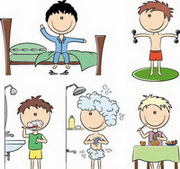
✵Health preservation tips for daily life are introduced: avoid burning wooden planks; exercise for half an hour every day; learn how to relax after strenuous exercise; ensure appropriate hydration and mineral supplementation during exercise; maintain regular bowel movements; learn how to relieve constipation; urinate promptly when you feel the urge; expel gas promptly when needed; avoid spitting indiscriminately, as it harms others; listen to music after dinner; understand the benefits of voluntary sneezing; understand the benefits of voluntary coughing; learn the purpose and physiological function of yawning; recognize the benefits of stretching; understand the protective role of fever; appreciate the health benefits of sweating; identify the common causes of visible blue veins throughout the body; acknowledge that controlled, emotional weeping can benefit both physical and mental health; practice diaphragmatic breathing for its advantages; learn proper sitting posture; perform ear massage regularly; adopt effective lifestyle approaches and dietary choices to help lower blood pressure; understand evidence-based strategies to support healthy growth during developmental years; and apply ten simple, practical methods to nourish the kidneys.
Whether engaged in “desk work” or “sitting to relax,” it is important to move regularly—stretching muscles and joints—to promote healthy circulation and maintain overall fitness. more
Exercise for Half an Hour Every Day
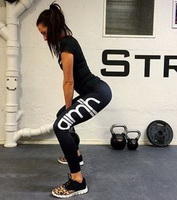
Engaging in moderate exercise for 30 minutes daily helps prevent disease, strengthen the body, relax muscles, improve circulation, support healthy weight management, and enhance physical appearance. This practice is an essential, indispensable habit for everyone. more
How to Relax After Strenuous Exercise
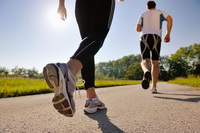
After intense physical activity, performing gentle recovery movements and self-massage can improve and regulate central nervous system function and help alleviate fatigue. more
Exercise Requires Appropriate Hydration and Mineral Supplementation
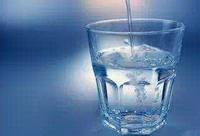
Before and after exercise, consuming water and electrolytes helps quench thirst and address “physiological dehydration,” thereby restoring electrolyte balance promptly and supporting physical recovery. more
Regular Defecation
Defecation and food intake are both innate physiological processes. The correct defecation method supports bowel and anal health and is highly effective in preventing hemorrhoids. more
How to Relieve Constipation
Defecation is a primary excretory function of the human body. Timely elimination of feces not only expels metabolic waste and toxins but also prevents their reabsorption—making it an essential physiological process for maintaining health and supporting healthy aging. more
There is urine — go to urinate immediately.
Urine is a fluid produced by the kidneys and discharged through the ureters and bladder. It is healthy and correct habit to discharge urine in time when having urine intention. more
There is a fart, then hurry to fart.
Farting is also a normal physiological response of the human body to expel waste gas. It is a normal physiological phenomenon for the body to expel intestinal gas through gastrointestinal peristalsis. more
Spitting Everywhere Harms Others
Spitting indiscriminately is unhygienic and socially unacceptable. However, expectoration — the voluntary expulsion of respiratory secretions — is a normal physiological response in individuals with phlegm syndrome (e.g., chronic bronchitis or postnasal drip). It helps clear mucus, pathogens, and particulate debris from the respiratory tract. Carrying disposable tissues and using them to expel phlegm is a responsible and hygienic habit. more
Listen to music after dinner.
Sit still for half an hour after finishing your meal, listen to pure and fresh music, and close your eyes to rest your mind. This practice not only relaxes your mood but also aids digestion—it is a beneficial habit that allows one to enjoy music and promote health. more
The Benefits of Active Sneezing
Sneezing is a natural physiological mechanism by which the body expels irritants or foreign particles from the nasal passages. In traditional Chinese medicine (TCM), it is regarded as an outward expression of the resuscitation of Yang Qi—a sign that the body’s vital energy is rising and actively dispelling pathogenic factors. It is also an ancient therapeutic method used to expel wind-cold. more
The Benefits of Active Coughing
Coughing is an intense, sudden respiratory movement and a normal physiological mechanism for expelling sputum—a beneficial defensive reflex. In addition to keeping the respiratory tract clean and healthy, coughing can also serve as an effective self-rescue measure during cardiac emergencies. more
The Purpose and Function of Yawning
Yawning is an instinctive physiological response. Like heartbeat and respiration, it operates involuntarily—outside conscious control. Yet it helps protect brain cells, enhances cerebral oxygenation, and improves the body’s stress resilience. more
The Benefits of Stretching
Stretching is a natural, self-protective response to physical fatigue. Engaging in conscious, active stretching not only elongates muscles and enhances flexibility but also refreshes the mind—making it a beneficial habit for tonifying the kidneys and strengthening the body. more
The Benefits of Fever
The human body has self-protective mechanisms in response to disease. For example, fever is a natural defense mechanism; at such times, it is generally advisable not to suppress fever indiscriminately with medication. Instead, learn to support the body’s febrile response—this can help expel pathogens. more
What Are the Benefits of Sweating?
Sweating is a natural excretory function of the skin, helping eliminate metabolic waste products. Appropriate sweating—induced internally through physiological or therapeutic means—can expel residual toxins, regulate body temperature, and moisturize the skin. It is a beneficial habit for both physical and mental health. more
The Visible Appearance of Superficial Veins Across the Body
The visibility of superficial veins—often perceived as “blue veins”—reflects underlying physiological or pathological conditions. Hand veins, in particular, may correlate with visceral function and circulatory status. more
Proper weeping is good for the body and mind.
People shed tears during emotional distress, which can relieve emotions and remove harmful biological substances produced by negative emotions—a unique, innate, psychological and physiological health-promoting cathartic mechanism in humans. more
The Advantages of the Abdominal Breathing Method
Each breath carries the energy of life. Abdominal breathing allows for greater oxygen intake. Regular practice can strengthen the body and eliminate disease. It is a “breath exercise” for enhancing physical health. more
Learn How to Sit Properly
Whether sitting upright, slouching, or cross-legged, proper posture shares the principle of “two alignments”: alignment of the spine and alignment of the head. Below is an overview of common sitting habits across different groups—and how to integrate these two alignments into daily seated activities. more
What are the benefits of ear massage, its methods, and effects?
This article outlines some benefits of ear massage, methods for performing ear massage, precautions for ear health protection, and related knowledge. more
Effective Ways to Lower Blood Pressure and Beneficial Foods for Hypertension Management
This article details the five primary causes of hypertension and recommends evidence-informed strategies for blood pressure reduction—including lifestyle modifications, dietary approaches, and complementary non-pharmacological interventions. more
How to Grow Taller
This article shares evidence-based tips and practical methods for maximizing height potential. It covers nutrition that supports growth, sample meal ideas, and more. more
10 Simple and Practical Ways to Nourish Your Kidneys
These 10 methods support kidney health. Pay close attention to your daily habits—and practice them consistently. Your kidneys will thank you! more

 ✵Health preservation tips for daily life are introduced: avoid burning wooden planks; exercise for half an hour every day; learn how to relax after strenuous exercise; ensure appropriate hydration and mineral supplementation during exercise; maintain regular bowel movements; learn how to relieve constipation; urinate promptly when you feel the urge; expel gas promptly when needed; avoid spitting indiscriminately, as it harms others; listen to music after dinner; understand the benefits of voluntary sneezing; understand the benefits of voluntary coughing; learn the purpose and physiological function of yawning; recognize the benefits of stretching; understand the protective role of fever; appreciate the health benefits of sweating; identify the common causes of visible blue veins throughout the body; acknowledge that controlled, emotional weeping can benefit both physical and mental health; practice diaphragmatic breathing for its advantages; learn proper sitting posture; perform ear massage regularly; adopt effective lifestyle approaches and dietary choices to help lower blood pressure; understand evidence-based strategies to support healthy growth during developmental years; and apply ten simple, practical methods to nourish the kidneys.
 Whether engaged in “desk work” or “sitting to relax,” it is important to move regularly—stretching muscles and joints—to promote healthy circulation and maintain overall fitness. more

 Engaging in moderate exercise for 30 minutes daily helps prevent disease, strengthen the body, relax muscles, improve circulation, support healthy weight management, and enhance physical appearance. This practice is an essential, indispensable habit for everyone. more
 After intense physical activity, performing gentle recovery movements and self-massage can improve and regulate central nervous system function and help alleviate fatigue. more
 Before and after exercise, consuming water and electrolytes helps quench thirst and address “physiological dehydration,” thereby restoring electrolyte balance promptly and supporting physical recovery. more
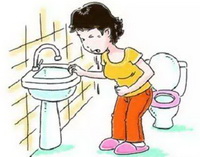 Defecation and food intake are both innate physiological processes. The correct defecation method supports bowel and anal health and is highly effective in preventing hemorrhoids. more
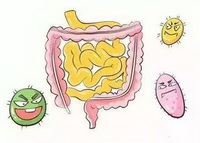 Defecation is a primary excretory function of the human body. Timely elimination of feces not only expels metabolic waste and toxins but also prevents their reabsorption—making it an essential physiological process for maintaining health and supporting healthy aging. more
 Urine is a fluid produced by the kidneys and discharged through the ureters and bladder. It is healthy and correct habit to discharge urine in time when having urine intention. more
 Farting is also a normal physiological response of the human body to expel waste gas. It is a normal physiological phenomenon for the body to expel intestinal gas through gastrointestinal peristalsis. more
 Spitting indiscriminately is unhygienic and socially unacceptable. However, expectoration — the voluntary expulsion of respiratory secretions — is a normal physiological response in individuals with phlegm syndrome (e.g., chronic bronchitis or postnasal drip). It helps clear mucus, pathogens, and particulate debris from the respiratory tract. Carrying disposable tissues and using them to expel phlegm is a responsible and hygienic habit. more
 Sit still for half an hour after finishing your meal, listen to pure and fresh music, and close your eyes to rest your mind. This practice not only relaxes your mood but also aids digestion—it is a beneficial habit that allows one to enjoy music and promote health. more
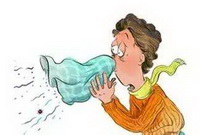 Sneezing is a natural physiological mechanism by which the body expels irritants or foreign particles from the nasal passages. In traditional Chinese medicine (TCM), it is regarded as an outward expression of the resuscitation of Yang Qi—a sign that the body’s vital energy is rising and actively dispelling pathogenic factors. It is also an ancient therapeutic method used to expel wind-cold. more
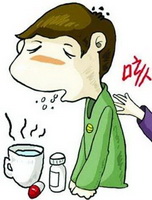 Coughing is an intense, sudden respiratory movement and a normal physiological mechanism for expelling sputum—a beneficial defensive reflex. In addition to keeping the respiratory tract clean and healthy, coughing can also serve as an effective self-rescue measure during cardiac emergencies. more
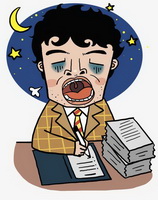 Yawning is an instinctive physiological response. Like heartbeat and respiration, it operates involuntarily—outside conscious control. Yet it helps protect brain cells, enhances cerebral oxygenation, and improves the body’s stress resilience. more
 Stretching is a natural, self-protective response to physical fatigue. Engaging in conscious, active stretching not only elongates muscles and enhances flexibility but also refreshes the mind—making it a beneficial habit for tonifying the kidneys and strengthening the body. more
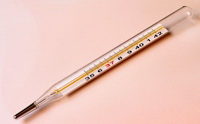 The human body has self-protective mechanisms in response to disease. For example, fever is a natural defense mechanism; at such times, it is generally advisable not to suppress fever indiscriminately with medication. Instead, learn to support the body’s febrile response—this can help expel pathogens. more
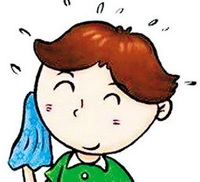 Sweating is a natural excretory function of the skin, helping eliminate metabolic waste products. Appropriate sweating—induced internally through physiological or therapeutic means—can expel residual toxins, regulate body temperature, and moisturize the skin. It is a beneficial habit for both physical and mental health. more
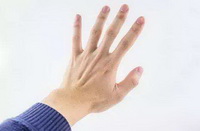 The visibility of superficial veins—often perceived as “blue veins”—reflects underlying physiological or pathological conditions. Hand veins, in particular, may correlate with visceral function and circulatory status. more
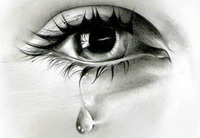 People shed tears during emotional distress, which can relieve emotions and remove harmful biological substances produced by negative emotions—a unique, innate, psychological and physiological health-promoting cathartic mechanism in humans. more
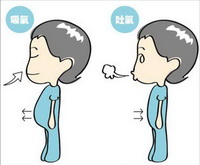 Each breath carries the energy of life. Abdominal breathing allows for greater oxygen intake. Regular practice can strengthen the body and eliminate disease. It is a “breath exercise” for enhancing physical health. more
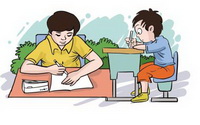 Whether sitting upright, slouching, or cross-legged, proper posture shares the principle of “two alignments”: alignment of the spine and alignment of the head. Below is an overview of common sitting habits across different groups—and how to integrate these two alignments into daily seated activities. more
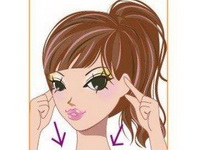 This article outlines some benefits of ear massage, methods for performing ear massage, precautions for ear health protection, and related knowledge. more
 This article details the five primary causes of hypertension and recommends evidence-informed strategies for blood pressure reduction—including lifestyle modifications, dietary approaches, and complementary non-pharmacological interventions. more
 This article shares evidence-based tips and practical methods for maximizing height potential. It covers nutrition that supports growth, sample meal ideas, and more. more
 These 10 methods support kidney health. Pay close attention to your daily habits—and practice them consistently. Your kidneys will thank you! more
