
You need to change clothes before going to bed.
- Introduction.
-
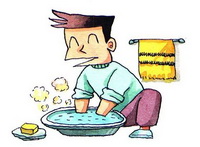 Introduction: Besides clothing, the bed is the household item with which our skin has the most intimate contact. While clothes can be changed daily, bed sheets are not replaced as frequently. Therefore, changing clothes before bedtime helps reduce cross-contamination and is a sound practice for health and hygiene.
Ancient and modern insights: Ancient people practiced bathing and changing clothes as part of personal care. As stated in the Chu Ci · Yu Fu: “Those who have just bathed will shake their caps; those who have just bathed will change their clothes.” During the Jin Dynasty, nobles regarded bathing—and changing clothes—as essential components of personal hygiene, adhering to this ancient custom. This reflects an important principle: after bathing, clean skin should not come into contact with soiled undergarments—otherwise, cleanliness is immediately compromised.
- You need to change clothes before going to bed.
-
 In the past, people in most regions did not routinely change clothes before bed. To demonstrate hospitality, hosts often invited guests to sit beside the bed. Children commonly sat on the floor, climbed trees, or ran across beds—yet no obvious illnesses appeared. Of course, if one contracted an infectious skin condition, recovery would be difficult in such circumstances, since cross-contamination would go unrecognized.
However, with societal development, human proximity has increased dramatically—on buses, in elevators, we are packed together like sardines. The more densely populated an environment, the greater the accumulation of dirt and microbes. Thus, after touching a bus handrail, we should wash our hands; after sitting on a bus seat, we should change into home-specific clothing upon returning.
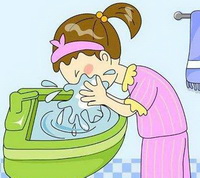 Changing clothes before bed is less about bedtime preparation and more about transitioning from outdoor to indoor life. For modern individuals, clothing worn at home typically serves multiple functions—used on sofas, chairs, and beds. Especially in summer, with bare arms and legs, skin makes frequent contact with these surfaces. Wearing clean, home-only clothing upon returning home reduces the transfer of outdoor contaminants. For guest entertaining needs, it is advisable to equip all furniture with removable, washable covers—for example, bedspreads—so that visitors sitting on the bed rest on the cover rather than directly on the sheets or duvet. Similarly, fabric-covered sofas should be thoroughly cleaned or covered after each guest visit; leather sofas require wiping with alcohol or a dedicated disinfectant.
People who do not change clothes regularly need not disinfect sofas and chairs as frequently—but they must still change clothes before bed. In summer, it is preferable to bathe again before sleeping. When visiting others’ homes, proper etiquette dictates avoiding sitting casually on their beds; if necessary, politely ask the host for a clean mat to minimize burdening them with extra cleaning tasks. Bedspreads, pillowcases, and duvet covers should be laundered every 7–10 days.
- Health benefits of changing clothes before going to bed:
-
 ✵1. Cleanliness: Externally, it is virtually impossible for clothing to remain free of dust—even in seemingly clean environments like offices. A quick inspection of your office chair, especially its underside or crevices, may reveal significant grime. Bringing such contamination home—and onto your bed, particularly the sheets you contact for roughly one-third of each day—compromises hygiene. Changing into home-specific attire is thus a vital step in maintaining domestic cleanliness.
✵2. Prevention of infectious diseases: Changing clothes before bed helps prevent cross-contamination, reducing the risk of bedding becoming reservoirs for bacteria and lowering the likelihood of skin infections and other transmissible conditions.
✵A practical note: 84 Disinfectant is suitable only for whitening and sterilizing white fabrics. If a residual odor remains after use, allow thorough ventilation and drying until the odor dissipates completely. For colored garments, use color-safe bleach or disinfectants labeled for colored fabrics.
Edited and last revised:
