
Acupuncture and Moxibustion: A Brief Introduction
- A Brief Introduction
-
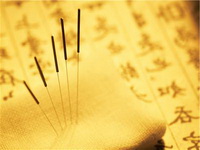
✵The theories of acupuncture and moxibustion are primarily composed of the theory of acupuncture, the theory of the meridian system, acupoints (including meridian points and extra points), moxibustion, and other techniques derived from acupuncture.
The article introduced the formation of the acupuncture theoretical system, development of the acupuncture theoretical system, the concepts and functions of acupuncture and moxibustion, several important functions of acupuncture, the advantages of acupuncture and moxibustion, classification of acupuncture needles and needling techniques, common acupuncture techniques, introduction of moxibustion and its development, important works, and classification of moxibustion methods.
- Introduction to Acupuncture and Moxibustion
-
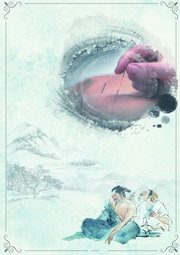 Acupuncture and moxibustion is a discipline grounded in Traditional Chinese Medicine (TCM) theory. It studies meridians, acupoints, and acupuncture-moxibustion methods, and explores the application of these modalities in the prevention and treatment of diseases. Acupuncture and moxibustion constitute an essential component of TCM, encompassing meridians, acupoints, acupuncture and moxibustion techniques, clinical treatment, medical records, experimental acupuncture and moxibustion, and more. This modality offers advantages such as broad indications, marked therapeutic efficacy, operational convenience, cost-effectiveness, and safety.
Acupuncture has a long history. It is believed that acupuncture and moxibustion therapy originated during the Neolithic Age. Ancient texts preserve several legends concerning its origin, all pointing to this era. As recorded in the ancient physician Huangfu Mi’s work Di Wang Shi Ji (Chronicle of Emperors and Kings): "Taihao Fuxi tasted one hundred herbs and fashioned nine needles." In his Zhenjiu Jiayi Jing · Xu (The ABC Classic of Acupuncture and Moxibustion · Preface), he further noted: "The Yellow Emperor consulted Qibo, Bogao, Shaoyu… Thus, the methods of acupuncture came into being."Formation of the Acupuncture Theoretical System
From the Warring States period through the Qin and Han dynasties, the ancient text Huangdi Neijing (The Yellow Emperor’s Inner Canon) marked a milestone in the development of acupuncture theory. Physicians had not only established the collateral and meridian theory as the core of their theoretical framework but also effectively applied acupuncture and moxibustion for disease prevention and treatment—integrating theory with practice, refining theory through clinical experience, and thereby initially establishing a distinctive acupuncture theoretical system comprising foundational theory, methodology, prescriptions, and acupoint selection.
From the Spring and Autumn and Warring States periods to the Qin and Han dynasties, the influence of ancient philosophy facilitated the evolution of acupuncture and moxibustion from empirical practice to systematic theory. Acupuncture instruments evolved from stone, bone, and bamboo needles to metal needles, thereby expanding the scope of clinical application. According to the historical text Zuo Zhuan (The Spring and Autumn Annals), physicians during the Spring and Autumn and Warring States periods were skilled in acupuncture and moxibustion. Bian Que, a renowned pre-Qin physician, successfully revived a prince who had fallen into a death-like syncope (cadaverous coma): he instructed his disciple Ziyang to puncture the Wai San Yang Wu Hui points[1], enabling the prince to regain consciousness; then directed his disciple Zibao to apply moxibustion to the flanks, after which the prince sat up. This case demonstrates that acupuncture, moxibustion, and medicinal heat therapy (ironing) were already widely employed in treating various diseases during the pre-Qin period. Among the medical manuscripts unearthed in 1973 from Tomb No. 3 at Mawangdui, Changsha (Han Dynasty), two early works on meridians were discovered. These texts describe the circulation of eleven meridians, associated diseases, and moxibustion treatments. Based on naming conventions involving "foot and arm" and "Yin and Yang," they are titled Zu Bi Shiyi Mai Jiu Jing (The Eleven Vessels of Foot and Arm Moxibustion Classic) and Yin Yang Shiyi Mai Jiu Jing (The Eleven Yin-Yang Meridians Moxibustion Classic). These two texts represent the earliest extant formulations of the core meridian theory underlying acupuncture and moxibustion.
 The ancient text NeijJing (The Inner Canon) provides a thorough discussion of meridian theory. It not only clearly documents the courses of the twelve regular meridians and their associated collaterals—linking them to the zang-fu organs and listing their principal diseases—but also records the distribution, functions, and flow directions of the eight extraordinary meridians, the internal branches of the twelve channels, the fifteen connecting collaterals, the sinew channels (musculature) of the twelve meridians, and the cutaneous regions of the twelve channels. Furthermore, it details the "roots and knots" (gen-jie), etiology and symptoms of disease, the pathways of Qi, and the "four seas."
Neijing also contains numerous treatises on acupoint theory, documenting approximately 160 commonly used acupoints and offering detailed expositions—especially a comprehensive discussion—of the Five-Shu (Transport) points.
Regarding needling techniques, Neijing elaborates extensively on methods of reinforcement (tonification) and reduction (sedation), including: puncturing along or against the direction of meridian flow; slow versus rapid insertion and withdrawal; synchronizing needle manipulation with the patient’s respiration; and the opening-closing method—reinforcing by pressing the puncture site after needle withdrawal, and reducing by enlarging the puncture aperture during withdrawal.
In terms of treatment principles, Neijing articulates foundational concepts such as "excess conditions require purgation; deficiency conditions require tonification." It also proposes specific strategies for acupoint selection and combination, including the use of converging points (hui points) and front-mu points, as well as distal point selection. Over 100 diseases are recorded in Neijing, most of which are indicated for treatment by acupuncture and moxibustion.
The classical medical text Nanjing (The Classic of Difficult Issues) is considered a work of equal stature to Neijing. Though traditionally attributed to Bian Que, its authorship remains uncertain. Its content is concise yet profound, further enriching the theoretical framework of acupuncture and moxibustion. Notably, its discussions on the eight extraordinary meridians and primordial Qi (yuan-qi) supplement gaps left by Neijing. It also introduces the Eight Influential Points (Ba Hui Points, or the Eight Strategic Nerve Points) and elaborates on the Five-Shu points through the lens of the Five Phases (Wu Xing, or the Five Elements) theory.
Zhang Zhongjing’s Shanghan Zabing Lun (The Treatise On Cold-Induced and Miscellaneous Diseases) not only presents outstanding herbal prescriptions but also offers distinctive insights and contributions to acupuncture. The text includes 69 passages directly addressing acupuncture and moxibustion, advocating integrated treatment combining herbal medicine and acupuncture, and emphasizing syndrome differentiation–based therapy.
The lost work Mingtang Kongxue Zhenjiu Zhiyao (Essentials of Acupuncture and Moxibustion from the Mingtang Cavity Points), also known as Huangdi Mingtang Jing (The Yellow Emperor’s Mingtang Classic), was likely the first monograph dedicated exclusively to acupoints during this period.
Hua Tuo—renowned for his surgical expertise—was also highly skilled in acupuncture and moxibustion. He established the famous "Huatuojiaji" points and authored Zhenzhong Jiu Ci Jing (The Acupuncture and Moxibustion Classic from the Pillow), now lost.
Cao Xi, a physician active during the Three Kingdoms period, excelled in moxibustion. His Cao Shi Jiu Jing (Cao’s Moxibustion Classic) is likewise lost.Development of the Acupuncture Theoretical System
From the Wei and Jin dynasties through the Southern and Northern Dynasties, the Sui and Tang dynasties, and into the Five Dynasties—a span of over 700 years—the political, economic, and cultural advancements of this era fostered significant progress in acupuncture and moxibustion theory and technique. Numerous influential medical texts emerged, substantially advancing the systematic development of acupuncture theory.
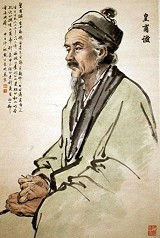 During the Ganlu era of the Wei-Jin period (256–260 CE), the pharmacologist Huangfu Mi compiled the acupuncture and moxibustion content from three foundational works—Su Wen (The Plain Question), Lingshu (The Spiritual Pivot) and Mingtang Kongxue Zhenjiu Zhiyao—selecting essential theories and key acupoints to compile the Zhenjiu Jiayi Jing (A-B Classic of Acupuncture and Moxibustion). Comprising 12 volumes and 128 chapters, the text documents a total of 349 acupoints. Its organization follows a logical sequence: zang-fu organ systems, qi and blood, meridians and acupoints, pulse diagnosis, needling and moxibustion techniques, and clinical disease categories. As one of the earliest systematically structured acupuncture texts, it represents a major synthesis following Neijing and played a pivotal role in consolidating and transmitting the tradition. Ge Hong, a famous physician of the Jin Dynasty, wrote Zhou Hou Bei Ji Fang (Prescriptions for Emergent Use, or Handbook of Prescriptions for Emergencies), which recorded 109 acupuncture prescriptions, 99 of which were moxibustion prescriptions—thus further advancing moxibustion. His wife, Bao Gu, was also skilled in moxibustion. The Xu Xi family, spanning the late Jin Dynasty to the Northern and Southern Dynasties, practiced medicine for generations. Xu Qiufu, Xu Wenbo, and Xu Shuxiang were all prominent figures in the history of acupuncture.
From the Sui to the early Tang Dynasty, renowned physicians Zhen Quan and Sun Simiao were both proficient in various branches of traditional Chinese medicine. Zhen Quan authored works including Zhen Fang (Acupuncture Prescriptions), Zhen Jing Chao (Compendium of Acupuncture Classics), and Ming Tang Ren Xing Tu (Anthropomorphic Charts of the Mingtang). Sun Simiao compiled Bei Ji Qian Jin Yao Fang (The Invaluable Prescriptions for Emergencies), Qian Jin Yi Fang (The Supplement to the Invaluable Prescriptions); he was the first to record the ashi point (ashi acupuncture point, living acupoint), introduced finger-length measurement, extensively collected acupuncture clinical experience from earlier generations, and drew the Ming Tang San Ren Tu (The Three Anthropomorphic Charts of the Mingtang)—in which the twelve regular meridians are depicted in five colors and the eight extraordinary meridians in green, totaling 650 acupoints across the three charts. This represents the earliest known color-coded meridian illustration in history.
In addition, Yang Shangshan of the Tang Dynasty, based on Huang Di Ming Tang Jing (The Mingtang Classic of the Yellow Emperor), compiled Huang Di Nei Jing Ming Tang Lei Cheng (Categorized Compilation of the Mingtang Section of the Yellow Emperor’s Inner Canon), listing acupoints in the order of the twelve regular meridians and the eight extraordinary meridians.
Physician Wang Tao compiled Wai Tai Mi Yao (Medical Secrets of an Official), which records numerous moxibustion methods from various schools. During this period, specialized monographs on specific diseases also appeared. For example, Gu Zheng Bing Zhi Fang (Moxibustion Prescriptions for Bone-Steaming Disease) by Cui Zhiti of the Tang Dynasty introduced acupuncture and moxibustion treatments for consumption. The book Xin Ji Bei Ji Jiu Jing (Newly Compiled Acupuncture Classics for Emergencies), published before 862 CE, is the earliest extant medical text printed using woodblock printing and focuses on moxibustion treatment for urgent conditions.
The Imperial Medical Academy of the Tang Dynasty administered medical education, offering four medical specialties and one pharmaceutical specialty; acupuncture was one branch within the medical specialties. Its staffing included “one acupuncture professor, one acupuncture assistant professor, ten acupuncture physicians, twenty acupuncture practitioners, and twenty acupuncture disciples”—thus establishing formal school-based education in acupuncture and moxibustion.
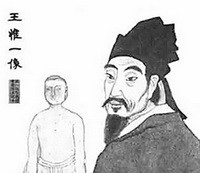 During the Song, Jin, and Yuan dynasties, the extensive application of printing technology promoted the accumulation of medical literature and accelerated the spread and development of acupuncture and moxibustion.
With the support of the Northern Song government, Wang Weiyi, a renowned acupuncturist, re-examined and clarified the locations of 354 acupoints and their associated meridians, supplemented the principal therapeutic indications for each acupoint, and authored the book Tong Ren Shu Xue Zhen Jiu Tu Jing (The Illustrated Manual of Acupoints on the Bronze Figure) in 1026 CE; the engraved edition was promulgated by the government the following year. In 1027 CE, Wang Weiyi designed two bronze human models featuring inscribed internal viscera and meridians, intended for teaching and examination purposes.
Wang Zhizhong, an acupuncturist of the Southern Song dynasty, wrote Zhen Jiu Zi Sheng Jing (The Classic of Nourishing Life through Acupuncture and Moxibustion), which emphasized practical experience and exerted great influence on later generations.
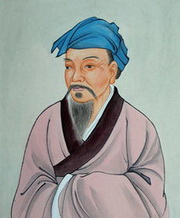 In the Yuan dynasty, the eminent medical scientist Hua Shou, based on his study of Jin Lan Xun Jing Qu Xue Tu Jie (The Golden Orchid Illustrations of Selecting Acupoints along Channels), investigated the circulation of meridians and collaterals and their relationship with acupoints, and compiled Shi Si Jing Fa Hui (The Elaboration of the Fourteen Meridians). He was the first to collectively designate the Ren channel, the Du channel, and the twelve regular meridians as the “Fourteen Meridians”, thereby further advancing the theory of meridians and acupoints. During this period, numerous renowned herbalists and physicians skilled in acupuncture emerged, and many related texts were produced.
Works such as Bei Ji Jiu Fa (Moxibustion for Urgent Treatment), Yong Ju Shen Mi Jiu Jing (Moxibustion Classics for Mysterious Ulcers), and Gao Huang Shu Xue Jiu Fa (Moxibustion and Acupoint Therapy for the Inter Cardiodia-Phragmatic Part) marked the further development of acupuncture across various specialized branches.
In the early Southern Song dynasty, the physician Xi Hong and his family had practiced acupuncture for generations. The text Xi Hong Fu (The Poems of Xi Hong), transmitted from generation to generation, placed special emphasis on acupuncture. At the same time, the physician Dou Cai authored Bian Que Xin Shu (The Heart Book of Bian Que) and strongly advocated moxibustion therapy—recommending dozens, or even hundreds, of moxa cones per treatment session. At that time, Yang Jie and Zhang Ji personally observed autopsies and advocated using anatomical knowledge to guide acupoint selection.
In the Jin dynasty, the physicians He Ruoyu and Yan Mingguangn-who compiled the work Zi Wu Liu Zhu Zhen Jing (The Midnight-Noon Ebb-flow Acupuncture Classics), advocated the principle of acupoint selection on time. Dou Hanqing, a physician active during the Jin and Yuan dynasties, advocated not only the midnight-noon ebb-flow method but also the eight-methods ebb-flow system and other time-based acupoint selection principles. His compilation, Biao You Fu (The Poems of Marking the Hidden), became one of the most celebrated acupuncture verse texts.The Concept and Functions of Acupuncture and Moxibustion
 Acupuncture is one of the most common and widely used forms of physical therapy; when performed correctly, it offers the significant advantage of being free of toxic side effects. Acupuncture is an essential part of Traditional Chinese Medicine (TCM). It is guided by the fundamental theories of TCM and employs the principles of holistic thinking and dialectical treatment to analyze medical conditions and identify syndromes.
In terms of treatment methods, it is fundamentally based on the theories of meridians and acupoints. Diseases are treated by taking into account the pathways of the meridians, their functions, the locations of acupoints, their therapeutic effects, and the principles for selecting acupoints. Furthermore, because the treatment is free of toxic side effects, it aligns with people’s pursuit of a “green” approach to healthcare that emphasizes a return to nature and simplicity.
Acupuncture and moxibustion refer collectively to needle therapy (acupuncture) and moxibustion techniques. It is a treatment method unique to China that addresses internal conditions through external means. By utilizing meridians and acupoints and applying specific techniques, it aims to treat physical ailments.
Needle therapy (acupuncture) involves inserting fine needles into specific acupoints on the patient’s body and then using techniques such as twisting and lifting-inserting to treat diseases.
Moxibustion refers to the method of applying burning mugwort to specific acupoints to warm the skin, using thermal stimulation to treat diseases.
The principle of acupuncture and moxibustion treatment involves diagnosing the cause and root of the disease according to Traditional Chinese Medicine (TCM) diagnostic methods, identifying the nature of the disease, determining which meridian or zang-fu organ is affected, and distinguishing between exterior and interior, cold and heat, and deficiency and excess patterns. Treatment is then carried out using a corresponding acupoint prescription.
Acupuncture techniques can unblock meridians, regulate qi and blood, restore relative balance between yin and yang, and harmonize the functions of the zang-fu organs, thereby achieving the goals of preventing and treating diseases.
Acupuncture therapy is part of the heritage of traditional Chinese medicine and is a unique ethnic medical method specific to China. For thousands of years, it has made outstanding contributions to maintaining health and the prosperity of the nation. To this day, it continues to play this role and is frequently used in people’s daily lives.Important functions of Acupuncture:
Acupuncture has several important functions:
1. It unblocks the meridians, restoring the flow of qi and blood that had been obstructed, thereby enabling them to perform their normal physiological functions. This is the most fundamental and direct therapeutic effect of acupuncture. The function of meridians in transporting qi and blood is one of their primary physiological functions; when meridians are blocked, the circulation of qi and blood is naturally impeded. Acupuncture therapy restores the flow of qi and blood through the meridians, allowing them to circulate normally.
2. Harmonizing yin and yang, which gradually restores the body from a state of yin-yang imbalance to a state of equilibrium—this is the ultimate goal of acupuncture treatment. The mechanisms underlying the onset of disease are complex, but they can generally be attributed to an imbalance between yin and yang. Acupuncture techniques harmonize yin and yang by leveraging the yin-yang properties of the meridians, the combination of acupoints, and specific needling methods.
3. Strengthening the body’s vital energy and expelling pathogenic factors: Acupuncture techniques are used to bolster the body’s vital energy and eliminate pathogenic factors. The process of disease onset, progression, and resolution is essentially a struggle between the body’s vital energy and pathogenic factors. The therapeutic effect of acupuncture lies in its ability to strengthen the body’s vital energy and expel pathogenic factors.The Advantages of Acupuncture and Moxibustion
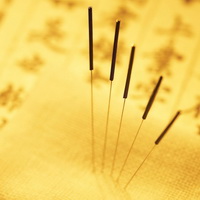 Acupuncture has been a widely popular therapeutic method in China for thousands of years and is an integral part of the treasure trove of traditional Chinese medicine. Acupuncture offers many advantages; it has played a significant role in promoting population growth and maintaining public health, and will continue to play an important role in today’s society, which places a strong emphasis on health preservation and wellness.
Advantage 1: Simple and Cost-Effective
The tools required for acupuncture treatment are simple; no special or heavy equipment is needed—just a few needles, some moxa wool (or moxa sticks), cotton balls, and alcohol. There is also no need for a specific environment; treatment can be carried out anywhere—indoors, outdoors, in factories, or in rural areas. Due to its simple equipment, low cost, ease of use, and minimal financial burden, acupuncture is very popular among the Chinese people.
Advantage 2: Easy to Learn and Use
For beginners, acupuncture is easy to learn and can be applied with ease. As long as one memorizes the locations of the acupoints and their primary indications, masters the techniques, and understands the nature of the disease, one can treat patients effectively.
Advantage 3: Wide Range of Applications with Noticeable Therapeutic Effects
Acupuncture has a wide range of applications, with noticeable therapeutic effects. It can treat a wide range of conditions, including those in internal medicine, surgery, gynecology, pediatrics, otolaryngology (ENT), and dermatology. In some cases, it is highly effective for certain conditions—sometimes even providing immediate relief. According to current statistics, acupuncture can be used to treat more than 300 different diseases.
Advantage 4: Safe and Reliable
As long as proper disinfection is practiced, treatments are performed strictly in accordance with established procedures, contraindications for certain sensitive areas and specific acupoints are observed, practitioners remain focused during needling, and patients’ sensations are checked regularly, there are generally no safety issues.Classification of Acupuncture Needles and Needling Techniques:
The needles used in acupuncture primarily include ear needles, fire needles, fine needles, skin needles, intradermal needles, three-edged needles, and wrist-ankle needles, among others.
Ear needles (ear acupuncture) refer to a method of diagnosing and treating diseases by stimulating auricular acupoints using short filiform needles or other techniques. Ancient medical works documented knowledge of the "ear meridians," as well as the physiological and pathological relationships between the ears and the internal organs and meridians; theories and methods for treating diseases through ear acupuncture were also documented at that time. As auricular acupuncture has evolved into the modern era, a preliminary system for auricular diagnosis and treatment has taken shape.
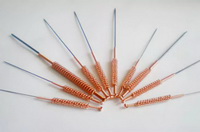 Fire needles (fire acupuncture) is a method of treating diseases by rapidly inserting a needle tip heated red-hot by fire into an acupoint. This technique was first described in the work Ling Shu – Guan Zhen (The Spiritual Pivot: Mastering the Needles); later works such as Shang Han Lun (The Treatise on Cold-Induced Diseases), Qian Jin Yi Fang (The Supplement to the Invaluable Prescriptions), and Zhen Jiu Da Cheng (Great Compendium of Acupuncture and Moxibustion) also discuss it. This technique has the effects of warming the meridians to dispel cold and unblocking the meridians to invigorate the collaterals, and it can be used to treat conditions related to deficiency-cold and abscesses.
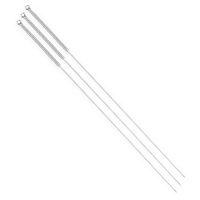 Fine needles are long needles specially crafted from relatively thin and elastic stainless steel; they are so named because their slender, elongated shape resembles wheat awns. This therapy helps to unblock meridians and regulate the functions of the body’s internal zang-fu viscera.
Dermal needling is a shallow cluster-needling technique that involves the shallow insertion of multiple short needles into specific areas (acupoints) of the body. It evolved from ancient Chinese techniques such as "semi-puncture (bàn cì)," "floating puncture (fú cì)," and "skin needling (máo cì)." This method unblocks meridians, harmonizes qi and blood, and restores normal function in the body, thereby achieving the goal of preventing and treating diseases.
Intradermal needles: Intradermal needling is a method in which specially designed small needles are secured within the skin or subcutaneously at acupoints and left in place for an extended period; it is also known as the needle implantation method (buried needle therapy). This method is used to treat conditions that require needles to remain in place for a prolonged period.
Three-edged needles are used for bloodletting through puncture. They are used to puncture specific acupoints or superficial blood vessels in the body to release a small amount of blood, thereby treating diseases—also known as blood vessel puncture. Three-edged needles are generally made of stainless steel; the handle is relatively thick and cylindrical, while the shaft is triangular in shape, with a blade on the upper surface of the tip. The tip is sharp, hence the name.
Intramuscular injection, also known as injection acupuncture or acupoint injection, involves injecting medicinal substances—both traditional Chinese and Western—into specific acupoints to treat diseases.
The "picking" technique involves using a specially designed needle to break apart white fibrous tissues beneath the skin at certain acupoints or areas, thereby treating certain diseases. It evolved from the "Luo Ci" (vessel puncture) technique among the Nine Needling Methods of ancient China and is used to treat a variety of diseases.
Wrist-ankle acupuncture is a simple method that involves subcutaneous needling with filiform needles at corresponding points on the wrist or ankle to treat diseases. This method is used to treat conditions such as forehead pain, redness and pain in the eyes, nasal congestion, excessive salivation, sore throat, coughing and wheezing, epigastric pain, palpitations, dysmenorrhea, leukorrhea, and enuresis.Common acupuncture techniques:
The two basic acupuncture techniques are the lifting-thrusting method and the twirling method; in addition, there are auxiliary techniques and tonifying-and-dispersing techniques.
The lifting-thrusting method involves inserting the needle from the superficial layer to the deep layer, then lifting it from the deep layer back to the superficial layer, repeating this up-and-down motion. The twirling method involves rotating the needle back and forth from side to side after inserting it to a certain depth.
Auxiliary techniques involve supplementary movements applied to the needle handle, the needle shaft, and the meridian at the acupoint during needling. The main techniques include: tracing, tapping, scraping, shaking, flicking, and vibrating.
Tonifying and dispersing techniques are broadly categorized into two types: single-method of reinforcement and reduction, and compound-method of reinforcement and reduction.Introduction of the Moxibustion
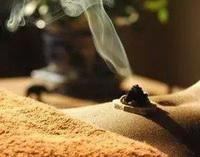 Moxibustion is a kind of thermotherapy closely related to fire. It originated with the application of fire and developed continuously through its practical use. When ancient people heated themselves by burning fire, they occasionally alleviated certain diseases due to accidental burns, thereby gaining the insight that burning could treat illnesses—this marks the origin of moxibustion.
The word “灸” (jiǔ, moxibustion) is interpreted as “灼” (zhuó, burning) in the ancient text Shuo Wen Jie Zi, meaning burning the body for therapeutic purposes. Initially, branches and firewood were used for burning, cauterizing, scalding, and other heat-based interventions to eliminate disease.
Later, Artemisia leaf (moxa) was gradually selected as the primary material for moxibustion. Ai (Artemisia vulgaris) has grown abundantly across China since ancient times, owing to its aromatic scent, warm nature, and high flammability, as well as its moderate, steady flame when burned—qualities that led it to replace branches and become the optimal material for moxibustion.
According to the ancient text Zuo Zhuan (Tso Chuan: A Commentary on the Spring and Autumn Annals), in the tenth year of Duke Cheng of Lu (581 BCE), Duke Jing of the Jin Kingdom fell ill. Yi Yan, the Imperial Physician (Tai Yi) from the Qin state, came to treat him and stated: "The disease is untreatable. It lies above the Huang (the region between the heart and diaphragm) and below the Gao (the intracardiac space); neither moxibustion nor acupuncture can be applied." In the Han Dynasty, Zhang Zhongjing’s Shanghan Zabing Lun (Treatise on Cold-Induced and Miscellaneous Diseases) also contains discussions noting “fire may be used” and “fire must not be used,” where “fire” refers specifically to moxibustion.
The term “灸” (moxibustion) first appears in extant texts in Zhuangzi · Dao Zhi (Chuang Tzu · Robber Zhi). For example, Confucius admonished Liu Xiaozhi: “Qiu has no illness, yet he applies moxibustion to himself.” The ancient text Mengzi · Li Lou (Mencius · Li Lou) likewise records: “Nowadays, people aspire to become kings as if suffering from a seven-year illness while seeking three-year-aged moxa”—clearly referring to moxibustion. This suggests that moxibustion was already quite prevalent during the Spring and Autumn and Warring States periods.
Among the silk manuscripts unearthed in 1973, three texts document meridians and moxibustion—the earliest extant medical documents predating the Nei Jing (Huangdi Neijing, The Inner Canon).
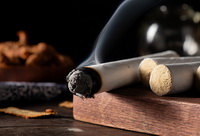 Moxibustion was first systematically recorded in medical literature in the Nei Jing, "In the north, people dwell on elevated land where heaven and earth are closed off, the wind is cold, the populace lives in the wild and consumes dairy; their zang-fu viscera are cold and disease-ridden—hence moxibustion is indicated. Thus, moxibustion originated in the north." This passage indicates that moxibustion emerged in close connection with the living habits, environmental conditions, and disease patterns of northern Chinese populations.
Thereafter, numerous acupuncture-moxibustion texts appeared across successive dynasties: Zhen Jiu Jia Yi Jing (A-B Classic of Acupuncture and Moxibustion) (completed in 259 CE) by Huangfu Mi of the Jin Dynasty; the Zhen Jiu Jing (Classic of Acupuncture and Moxibustion) cited and recommended in Sun Simiao’s Qian Jin Yao Fang (Invaluable Prescriptions for Emergencies) of the Tang Dynasty; and Wang Tao’s Wai Tai Mi Yao (Medical Secrets of an Official), which advocated moxibustion without acupuncture—highlighting its growing importance. Subsequently, moxibustion received sustained scholarly attention in works such as Wang Zhizhong’s Zhen Jiu Zi Sheng Jing (Classic of Nourishing Life with Acupuncture and Moxibustion, 1220 CE) of the Song Dynasty; Gao Wu’s Zhen Jiu Ju Ying (Collection of Gems of Acupuncture and Moxibustion, 1529 CE) of the Ming Dynasty; Yang Jizhou’s Zhen Jiu Da Cheng (Great Compendium of Acupuncture and Moxibustion, 1601 CE); and Liao Runhong’s Zhen Jiu Ji Cheng (Integration of Acupuncture and Moxibustion) of the Qing Dynasty.
There are numerous monographs on moxibustion from past dynasties. For example, in the 3rd century CE, Cao Shi Jiu Fang (Cao’s Moxibustion Methods) appeared; in the Tang Dynasty, Gu Zheng Bing Jiu Fang (Moxibustion Prescriptions for Bone-Steaming Syndrome) was compiled; in the Song Dynasty, works such as Huang Di Ming Tang Jiu Jing (Moxibustion Classics of the Yellow Emperor), Jiu Gao Huang Shu Xue Fa (Moxibustion Method for Acupoints in the Infracardio-supradiaphragmatic Region), and Bei Ji Jiu Fa (Emergency Moxibustion Methods) were produced; and in later dynasties, texts including Yong Ju Shen Mi Jiu Jing (Secret Moxibustion Classics for Carbuncles and Abscesses), Tai Yi Shen Zhen (The Miraculous Acupuncture of Tai Yi), and Shen Jiu Jing Lun (The Miraculous Classics of Moxibustion) were published.
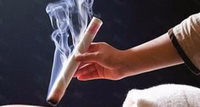 In early moxibustion practice, ancient practitioners used direct moxibustion with relatively large moxa cones and a greater number of applications (i.e., the number of moxa cones burned per session). As noted in the Taiping Shenghui Fang (Peaceful Holy Benevolent Prescriptions): "Although the number of applications is sufficient, if the sore suppurates and breaks open, the disease will subside; if the sore fails to break, the disease will not resolve." At the same time, the ancient Chinese highly valued suppuration-inducing moxibustion—not only for treating disease but also for health preservation and prevention. Modern moxibustion techniques have advanced significantly: to reduce patient discomfort, smaller moxa cones and fewer applications are now used, and diverse methods have evolved—including moxa stick moxibustion, medicated stick moxibustion, warm moxibustion, warm needle moxibustion, and others. Depending on clinical conditions, indirect moxibustion is frequently employed, using interposing materials such as ginger slices, garlic slices, salt, prepared soybean paste cakes, and processed aconite root cakes. Thus, moxibustion has made substantial contributions to human healthcare.
For thousands of years, acupuncture-moxibustion medicine has played a vital role not only in safeguarding the health of the Chinese people but also in spreading abroad over an extended period—making meaningful contributions to global healthcare. Around the 6th century CE, acupuncture was introduced to Korea, and the Zhen Jiu Jia Yi Jing (A-B Classic of Acupuncture and Moxibustion) served as a standard textbook in medical education. In 562 CE, both the Ming Tang Tu (Illustrations of the Hall of Light) and the Zhen Jiu Jia Yi Jing (A-B Classic of Acupuncture and Moxibustion) were transmitted to other parts of East Asia. Since the late 17th century, acupuncture spread to Europe. Today, acupuncture and moxibustion are practiced, scientifically studied, and taught in over 120 countries and regions worldwide. The World Health Organization (WHO) recommends acupuncture for the treatment of 43 conditions. Consequently, China’s distinctive acupuncture-moxibustion system has become an integral component of global medical science, exerting broad and positive influence.Classification of Moxibustion Methods:
There are many types of moxibustion in China, which can generally be divided into two major categories: moxa moxibustion and non-moxa moxibustion.
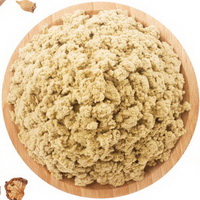 Moxa moxibustion is a method that uses mugwort fluff—made from mugwort leaves—as the moxibustion material for applying heat. From ancient times to the present, this method has been the most widely used and prevalent form of moxibustion in practice. Moxibustion using mugwort can be further divided into two types: moxibustion with mugwort cones (moxa cone therapy) and moxibustion with mugwort sticks (moxa stick therapy). Moxibustion with mugwort cones includes direct application on the skin and indirect application through an intermediate substance. Moxibustion with mugwort sticks encompasses various techniques such as gentle moxibustion (mild moxibustion), circular moxibustion, sparrow-pecking moxibustion, pressure moxibustion, and suspended moxibustion through an intervening material, each with its own therapeutic effects. Due to the characteristics of “mugwort leaves being bitter and pungent, warm when raw, hot when cooked, and possessing a purely yang nature,” mugwort, as a moxibustion material, has the effects of unblocking meridians and activating collaterals, regulating qi and dispelling cold, and restoring yang to reverse critical conditions. When processed into moxa floss, it burns easily, emits a fragrant aroma, and produces a gentle heat; its warmth can penetrate the skin to reach deep tissues. Consequently, moxibustion has seen widespread clinical application and rapid development.
Moxibustion was first recorded as a therapeutic method in 52 Bing Fang (Prescriptions for Fifty-two Diseases). The later works Ling Shu (The Spiritual Pivot) also mentions moxibustion using mugwort leaves as the material. The ancient methods for harvesting, storing, and processing mugwort leaves remain relevant to this day.
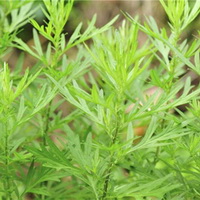 Mugwort leaves are readily available and inexpensive, and mugwort floss can be easily shaped into various forms, such as moxa cones and moxa sticks. Moxa ignites easily and, when burning, produces a gentle, sustained heat that penetrates the skin to reach deep tissues. These advantages have ensured that moxibustion remains in widespread use to this day, enjoying enduring popularity.
Non-moxa moxibustion refers to moxibustion techniques that do not use mugwort floss as the stimulus source; it is an important component of China’s rich and diverse moxibustion practices. Based on the type of stimulus, non-mugwort moxibustion can be divided into three categories: first, heat moxibustion, which uses warmth as the stimulus; second, cold moxibustion, which involves applying certain substances that have a stimulating effect on the skin at room temperature—also known as "sky moxibustion (celestial moxibustion)" and, in modern terms, “blistering” or “blister induction therapy”; the third category is frozen moxibustion, which applies stimulants with temperatures below zero degrees Celsius to acupoint areas to achieve therapeutic effects.
Non-mugwort moxibustion methods, especially heat-based and cold moxibustion, have a long history of use. As early as the Jin Dynasty, the Zhou Hou Jiu Zu Fang (Elbow-Back Emergency Formulas) recorded the use of wax moxibustion to treat rabies bites. The Tang dynasty’s Qian Jin Yi Fang (The Supplement to the Invaluable Prescriptions) documented a method using bamboo shavings as a heat source to treat boils. The Song dynasty’s Zhen Jiu Zi Sheng Jing (Classic of Nourishing life with Acupuncture and Moxibustion) provides explicit descriptions of both heat-based and cold moxibustion techniques. During the Ming and Qing dynasties, non-mugwort moxibustion continued to evolve, giving rise to various forms, such as mulberry twig moxibustion, peach twig moxibustion, lamp-fire moxibustion, the “divine lamp” illumination method, medicinal pellet moxibustion (medicinal pill moxibustion), medicinal twist moxibustion (medicinal thread moxibustion), and water moxibustion. Non-mugwort moxibustion has made significant progress in modern times.
Explanatory Notes:
-
- 1. Wai San Yang Wu Hui refers to Taiyang, Shaoyang, Yangming, and five acupoints: baihui (GV20), xionghui (danzhong, CV17), tinghui (GB2), qihui (guanyuan, CV4), naohui (TE13).
References:
-
- 1. Acupuncture and Moxibustion: A Brief Introduction
- 2. Di Wang Shi Ji (Chronicle of Emperors and Kings), by Huangfu Mi
- 3. Zhenjiu Jiayi Jing · Xu (The ABC Classic of Acupuncture and Moxibustion · Preface), by Huangfu Mi
- 4. Zuo Zhuan (The Spring and Autumn Annals), by Zuo Qiuming
Edited:
