
Regular physical examination:prevent the disease.
- Introduction of Regular physical examination.
-
 Introduction: Regular physical examination is an important preventive measure to detect diseases early and reduce their occurrence. It is akin to identifying potential health vulnerabilities before they become serious — a necessary and proactive health habit for self-protection.
Ancient and modern insights: In the Su Wen (The Plain Questions), it states: "Thus, the sage treats disease before it arises; he manages disorder before chaos ensues. To wait until one is thirsty to dig a well, or until one is in danger to forge a weapon, is too late." "Although disease has not yet manifested, the wise person observes subtle signs — such as a reddish complexion — and intervenes early; this is called ‘treating disease before it attacks.’" Here, the term "undiagnosed" refers to the preclinical stage — when subtle, mild, or nonspecific symptoms first appear, corresponding to what the Tang-dynasty physician Sun Simiao termed "desire disease" (i.e., incipient disease). In such cases, timely detection, early diagnosis, and prompt intervention play a decisive role. The story of Bian Que’s visits to Duke Huan of Cai likewise illustrates this principle.
- Regular physical examination: prevent the disease.
-
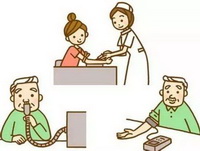 Regular examination is a cornerstone of preventive medicine. For example, breast cancer is highly preventable through early detection, and its cure rate at that stage is exceptionally high. Breast cancer cells double at varying intervals — from 75 to 1,043 days. On average, it takes about 10 years for a single malignant cell to grow into a 0.2-centimeter tumor nodule, and another 4–7 years to reach 1 centimeter. Thus, progression from a single cancer cell to a 1-centimeter nodule typically requires 8–15 years — providing a substantial window for early detection.
There are two types of examination: one is self-examination; the other is clinical examination at a hospital. Women should perform breast self-examination approximately one week after menstruation ends. With the left arm raised, use the right hand to carefully examine the left breast and axillary region, checking for lumps, thickening, or unusual changes — avoiding misinterpretation of normal glandular tissue as abnormal. Both men and women should remain vigilant about bodily changes and undergo appropriate screening.
 Individuals who should undergo regular hospital-based examinations include:
- Busy office workers;
- Adults aged 65 years and older;
- Individuals with a smoking history of 20 years or more;
- Patients with hypertension or those taking antihypertensive medications;
- Individuals with diabetes;
- Patients with a history of recurrent myocardial infarction;
- Patients with angiographically confirmed coronary artery disease.
Many middle-aged and elderly individuals face elevated risks for hereditary or familial conditions — especially if one or both parents have been diagnosed with diabetes, hypertension, stroke, or cancer. Such individuals should prioritize regular physical examinations — ideally every six months. All adults without specific risk factors should still undergo a comprehensive annual physical examination.
✵Health benefits:
1. Protect Your Bones: A bone mineral density test can determine whether you have osteoporosis — a condition especially prevalent among older women, affecting approximately 80% of them. Osteoporosis increases the risk of fractures, even after minor falls.
2. Cancer Prevention: Most cancers, like chronic diseases, do not appear suddenly but develop gradually over many years. When detected early, cancer progression can often be halted, its worsening prevented, and in many cases, it can be cured.
3. Protect Your Hearing: If you experience difficulty understanding speech, persistent tinnitus (ringing in the ears), or have a family history of hearing loss, schedule a hearing evaluation at a healthcare facility. Otosclerosis — a genetic disorder causing abnormal bone growth in the middle ear — occurs more frequently in women than in men, particularly during pregnancy and among women aged 15 to 30.
4. Protect Your Vision: Elevated intraocular pressure may indicate glaucoma. Optic nerve examination can help detect signs of intracranial pathology, such as a brain tumor; corneal and iris assessment can identify structural abnormalities; lens evaluation screens for cataracts; and retinal examination checks for age-related macular degeneration or other retinal cell deterioration. Individuals who wear contact lenses should undergo a comprehensive eye examination at least once annually.
5. Protect Your Teeth: During a dental examination, your dentist will inspect your teeth, tongue, oral soft and hard tissues, neck, and chin for any abnormal changes. This helps prevent gum disease, treat dental caries, and detect early signs of oral cancer.
6. Protect Your Heart: Beginning at age 20, annual monitoring of blood pressure, cholesterol levels, and electrocardiogram (ECG) is recommended to assess cardiovascular health and estimate future risk of heart attack. Elevated cholesterol increases the risk not only of coronary heart disease and stroke but also of gallbladder disease.
Tips: Wear loose-fitting clothing to your medical examinations. Avoid fixating solely on numerical lab results; do not immediately take medication solely to “normalize the numbers.” Instead, prioritize lifestyle modifications — including a structured dietary plan — and then consult a healthcare provider to determine whether further medical intervention is necessary.
Edited and last revised:
